
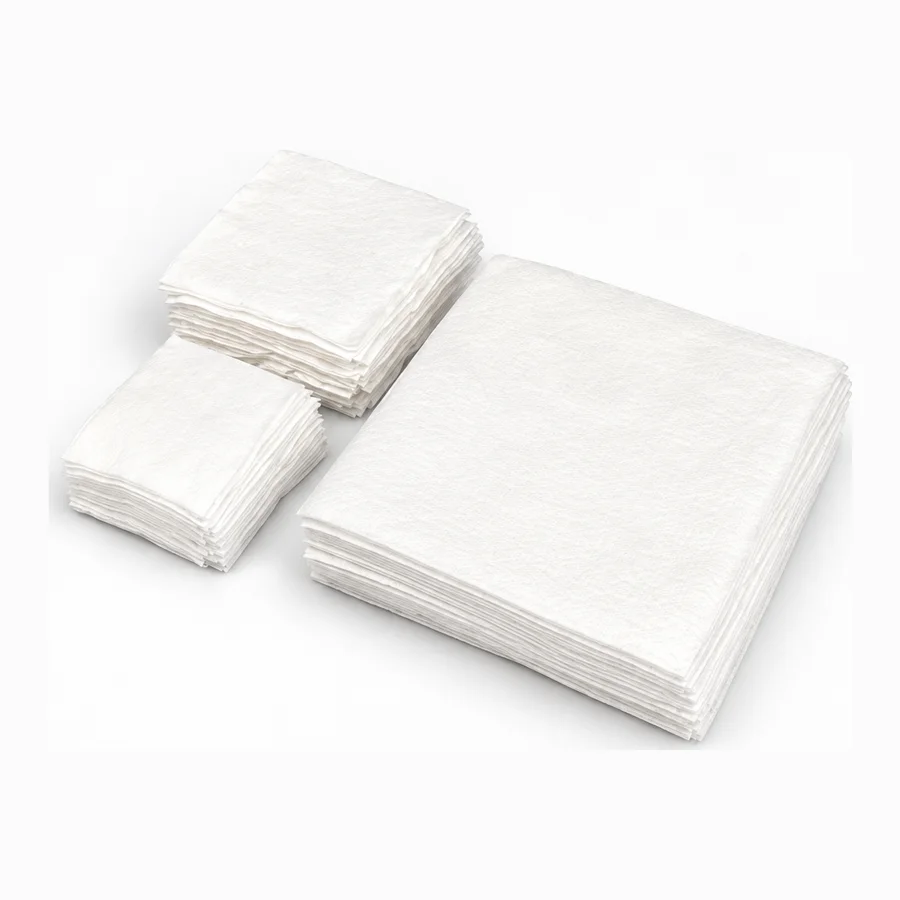
VANTERIS Polyester Wipe 9 × 9 in
100% polyester 9 × 9 in wipe with laser-sealed edges and low particle generation.
VTN-WP-PES-LS-99Laser sealed150101500
Particle, molecular contamination and electrostatic discharge control in semiconductor manufacturing.
In a fab, the defect that kills a chip is a fraction of the geometry being printed. That is why contamination control in semiconductor work resembles no other industry: clean air is not enough, you also have to control what comes off surfaces, gloves and the very wiper used to clean.
The reference is ISO 14644-1, which classifies air cleanliness by particle concentration across nine classes and replaced the FED-STD-209E the industry used for decades. Critical fab areas work at the tightest classes, and the mini-environment around the wafer runs cleaner still than the room around it.
Air is only part of it. ISO 14644-9 classifies surface cleanliness by particle concentration, and parts 8 and 10 do the same for airborne and surface molecular contamination. That molecular contamination can ruin a photolithography step without any particle counter noticing.
Every object entering the room is a potential source. A person sheds particles continuously, and disposable apparel exists to contain that emission, not to protect the wearer. A poorly chosen wiper leaves fibre on the surface it just cleaned. A swab in the wrong material releases extractables that react with the process.
IEST-RP-CC004 is the recommended practice used to evaluate cleanroom wipers: it measures particle and fibre release, ionic and non-ionic extractables, and absorbency. That is the vocabulary to specify and compare a wiper with, rather than relying on adjectives.
Some geometries a wiper cannot reach: carrier slots, connectors, heads, equipment edges. That is where a foam or polyester swab works, with a head sized to the cavity and a handle that keeps the hand away from the critical surface.
The practical rule is to choose on three things, in this order: chemical compatibility with the solvent in use, the material release level, and head geometry. Reversing the order buys the right shape in the wrong material.
The wafer and the finished device are sensitive to electrostatic discharge. ANSI/ESD S20.20 and its international counterpart IEC 61340-5-1 describe how a control programme is built: a protected area, personnel grounding, and control of materials and packaging.
It pays to treat contamination and static as one problem. A material that charges attracts and holds particles, and the consumable that solves one can worsen the other when the two are specified separately.
Before anyone touches a tool there is a sequence of airlocks that keeps cutting down what gets in. It starts at the floor: tacky mats hold what soles and wheels bring in, and their performance depends on peeling the saturated layer as often as real traffic demands, not as often as the calendar says. It continues in the gowning room, where the order of donning is trained because doing it backwards contaminates what is already on.
IEST-RP-CC003 is the reference used to design a cleanroom garment system: which garment, in which material, with which seam, replaced how often. Disposable garments remove the laundering and service-life variables; reusable ones are processed in a qualified laundry. Choosing between them is a risk and total-cost decision, not a unit-price one.
Almost everything bought for a fab can be specified with a number: air cleanliness class, surface particle concentration, wiper extractables, the surface resistance of an ESD material. When the requisition just says "cleanroom wiper", the decision ends up being made on price and lot-to-lot variability enters the process unseen.
The healthy practice is to fix the material, the edge-cut method, the applicable test and the delivery format in the specification, and to require lot-to-lot consistency. Changing the supplier of a consumable that touches a critical surface deserves the same control as changing the process.
| ISO 14644-1 | Classifies air cleanliness by particle concentration (ISO Class 1 to 9). |
|---|---|
| ISO 14644-9 | Classifies surface cleanliness by particle concentration. |
| IEST-RP-CC004 | Method for evaluating cleanroom wiping materials. |
| ANSI/ESD S20.20 | Requirements for an electrostatic discharge control programme. |
Standards are cited as industry reference. VANTERIS claims no certification against them beyond what each product datasheet states.
100% polyester 9 × 9 in wipe with laser-sealed edges and low particle generation.
VTN-WP-PES-LS-99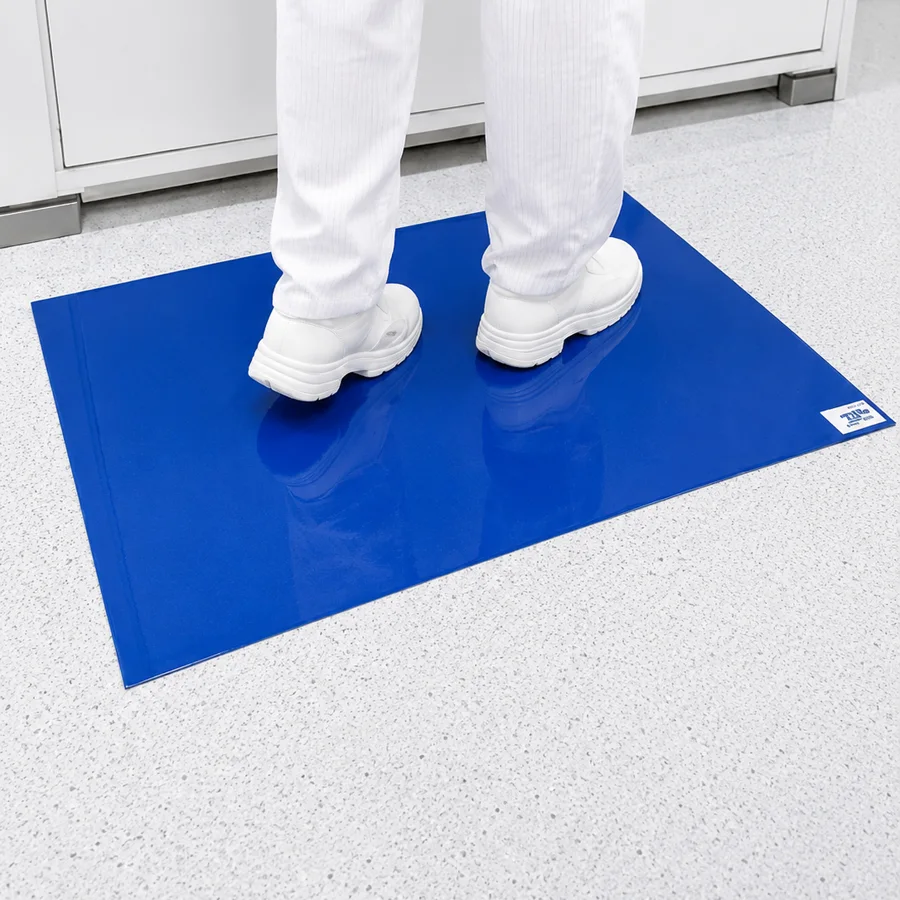
Blue 30-layer sticky mat, 24 × 36 in, for particle retention at entry points.
VTN-MAT-PE-STK-2436-BLU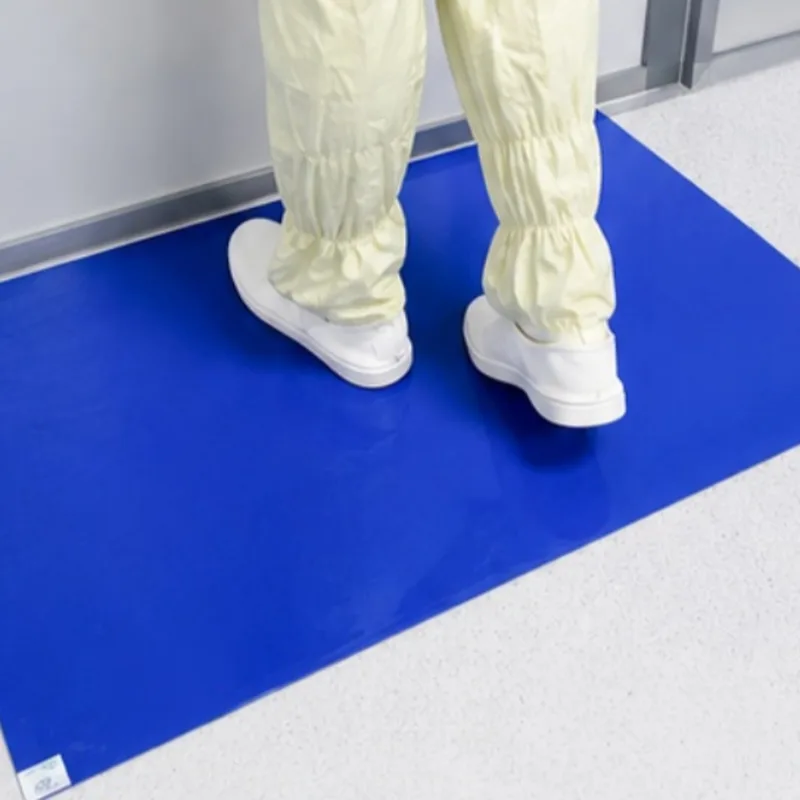
Blue 30-layer sticky mat, 26 × 45 in, for particle retention at entry points.
VTN-MAT-PE-STK-2645-BLU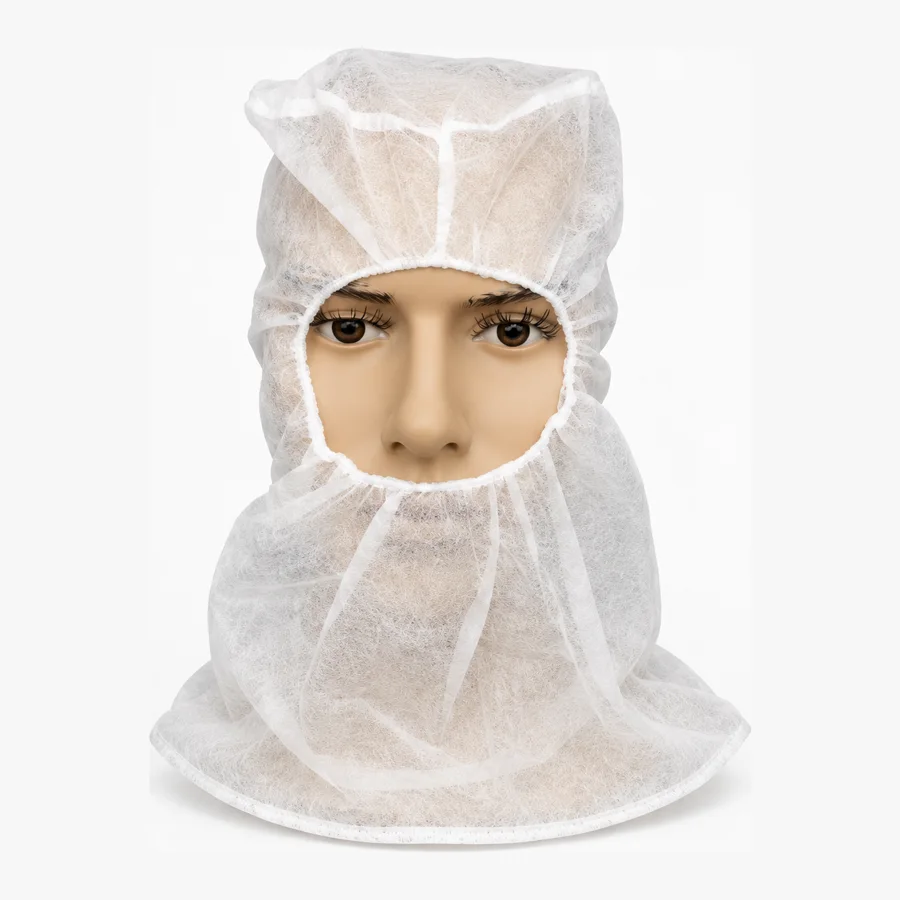
25 gsm nonwoven polypropylene hood covering head and neck, latex free.
VTN-AP-PP-NH-UNI-WHT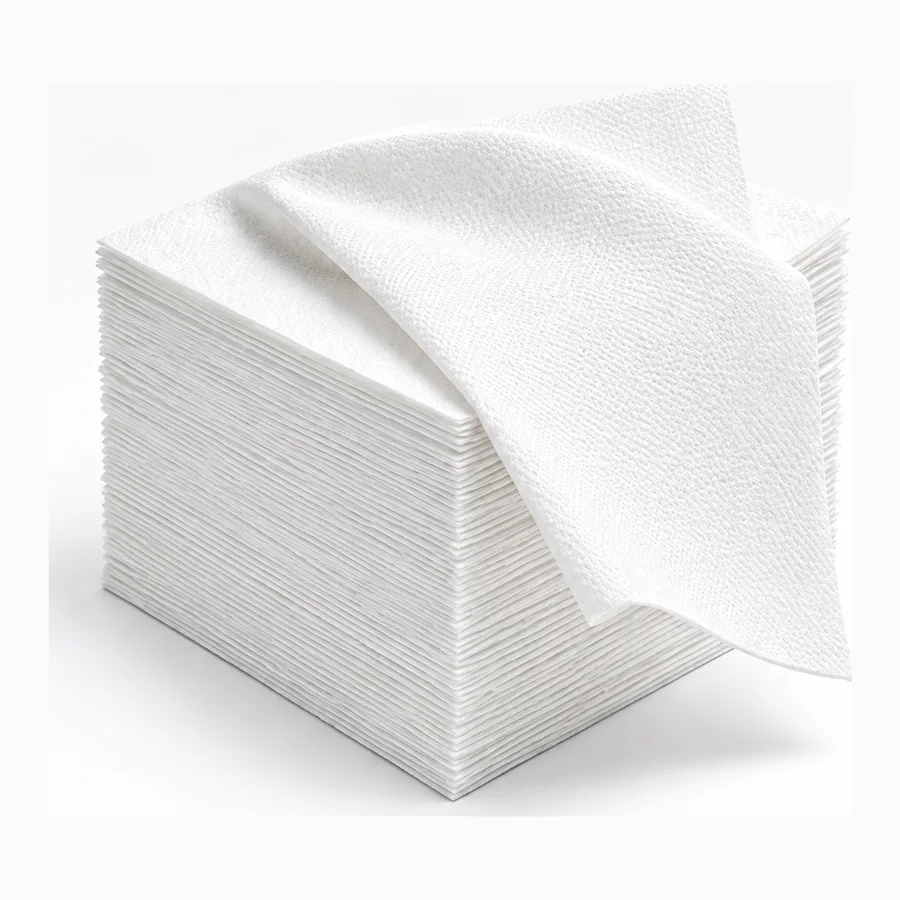
55% cellulose / 45% polyester nonwoven wipe, 6 × 6 in, low particle generation.
VTN-WP-NW-66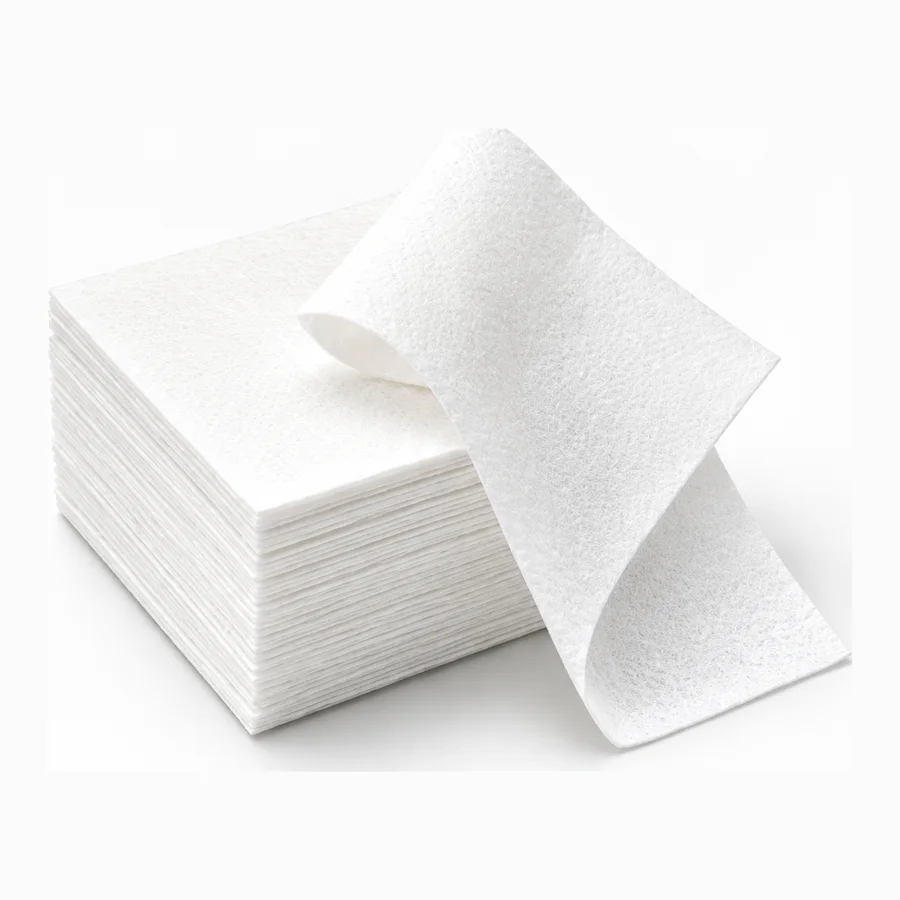
55% cellulose / 45% polyester nonwoven wipe, 9 × 9 in, low particle generation.
VTN-WP-NW-99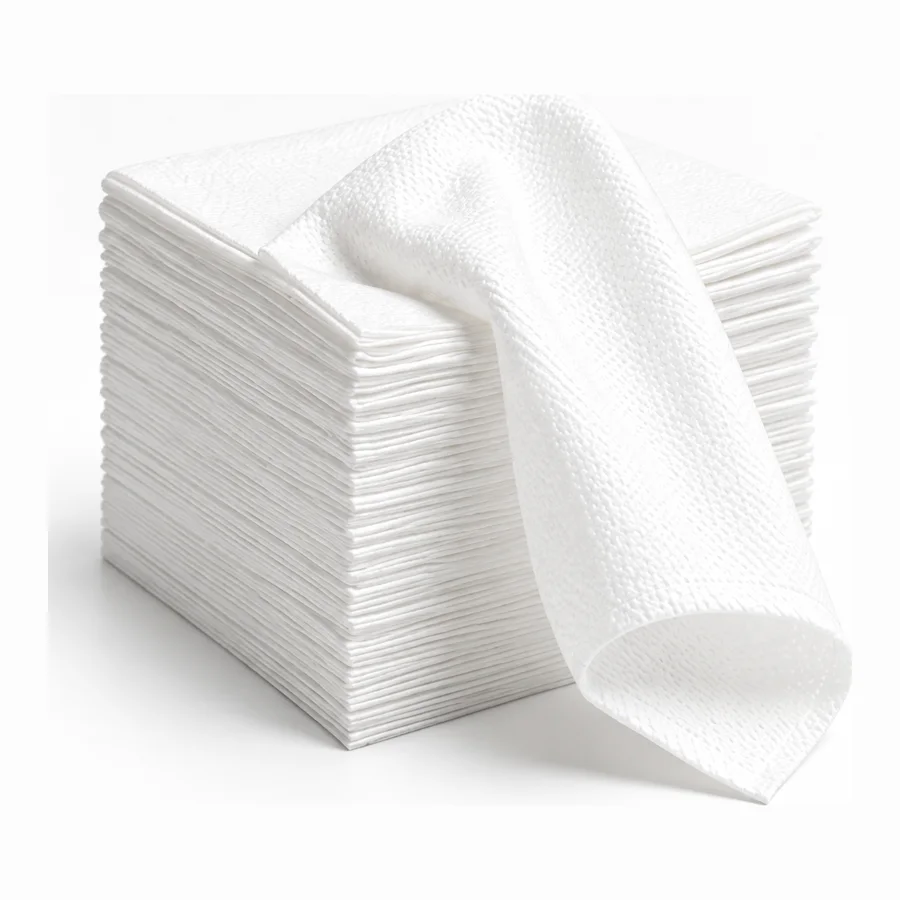
100% continuous-filament polyester wipe in double knit, 6 × 6 in, for precision cleaning.
VTN-WP-PES-DK-66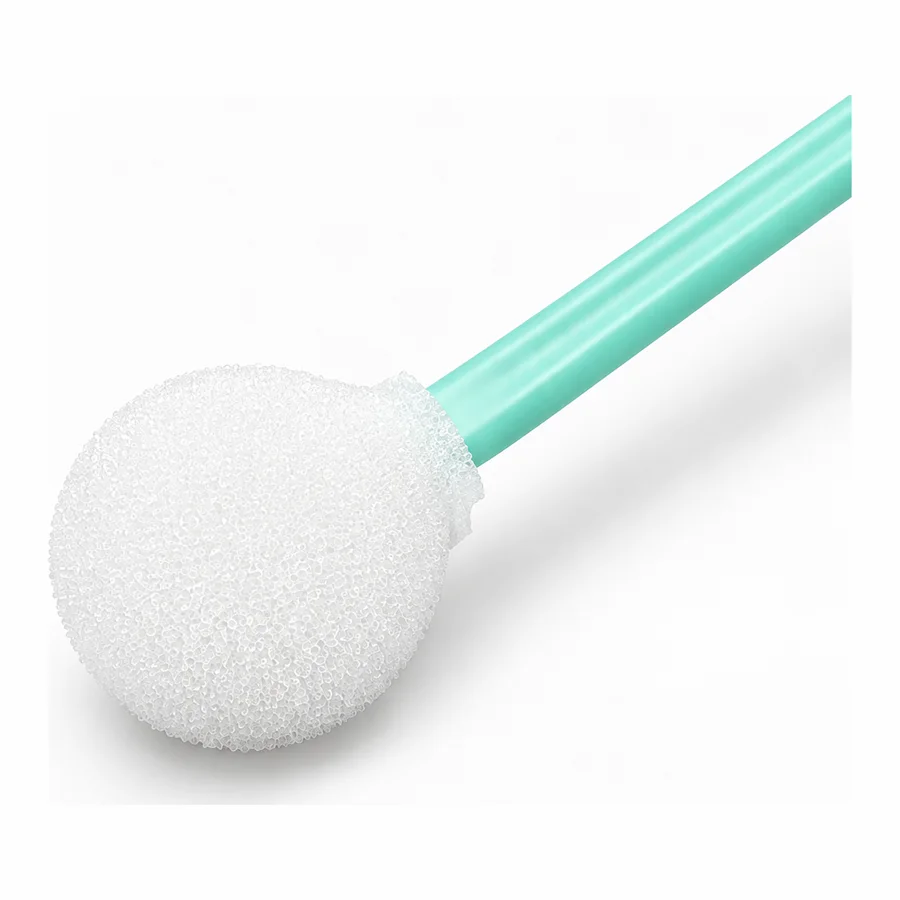
PU foam swab, large round head, 132.2 mm
VTN-SW-PU-LC-132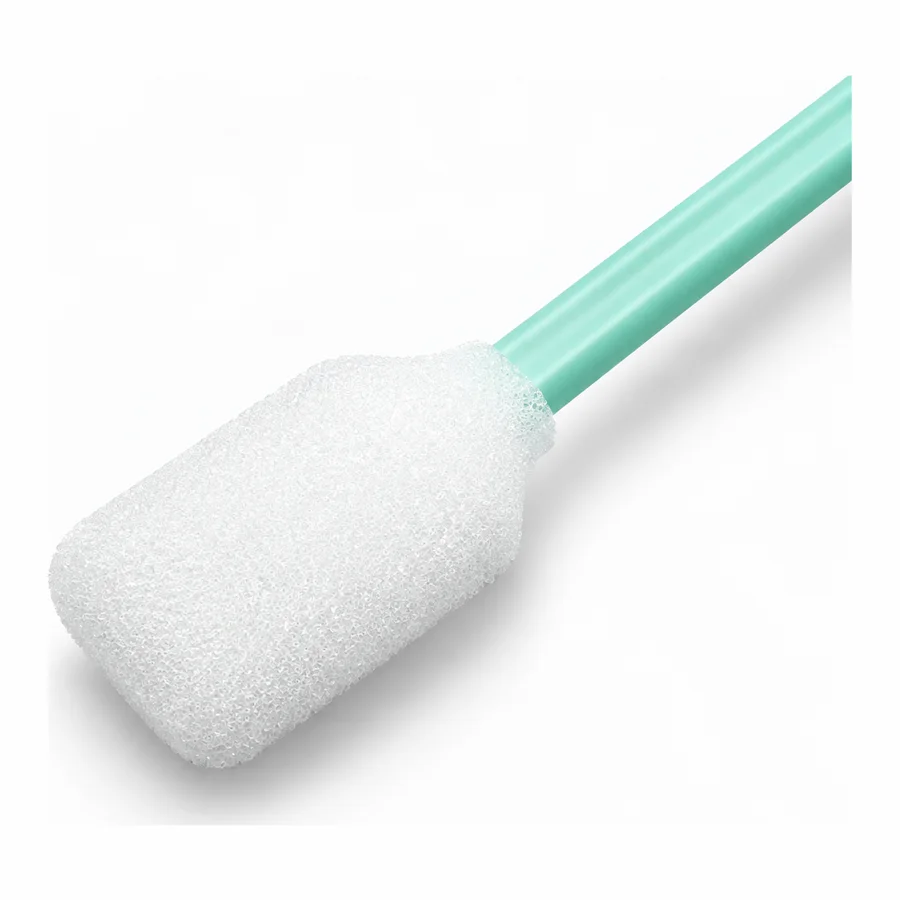
PU foam swab, large rectangular head, 127.5 mm
VTN-SW-PU-LR-128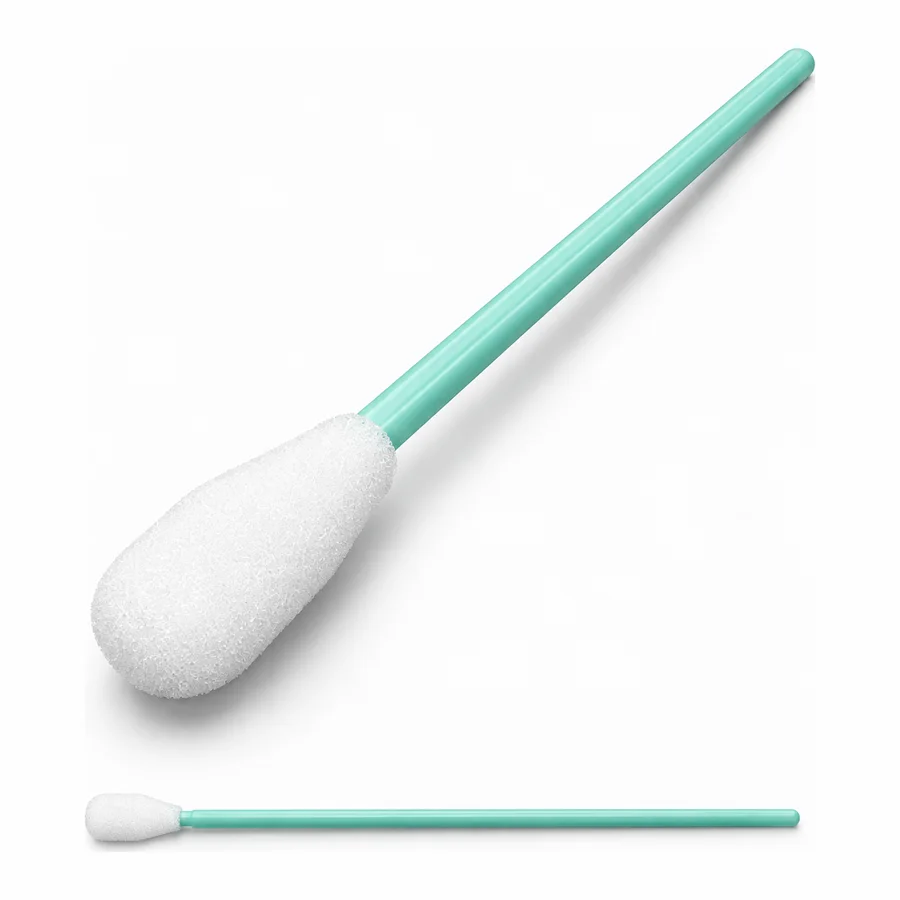
PU foam swab, medium head and long handle, 163 mm
VTN-SW-PU-MD-163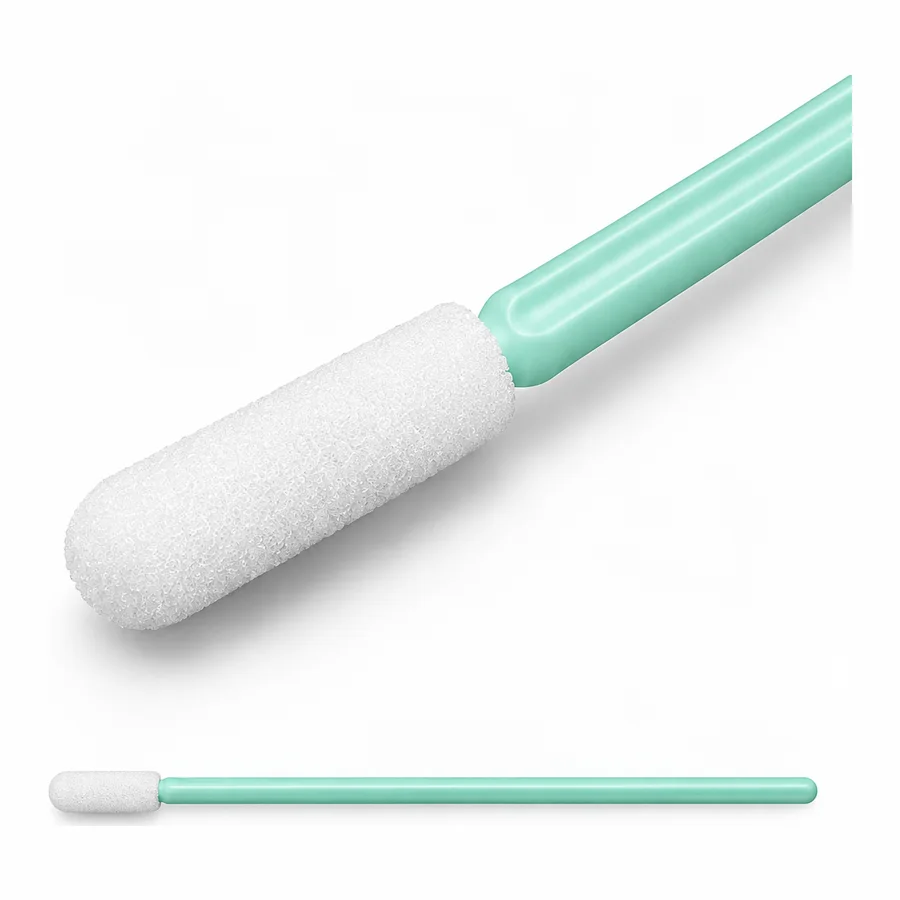
PU foam swab, small flexible tip, 67.3 mm
VTN-SW-PU-SF-067
100% purified cotton roll, 3-ply, 10 × 16 in, 100 sheets. Equivalent to RYMPLECLOTH® 301 and HERMITEX® 300.
VTN-WP-CT-PUR-3P-1016