
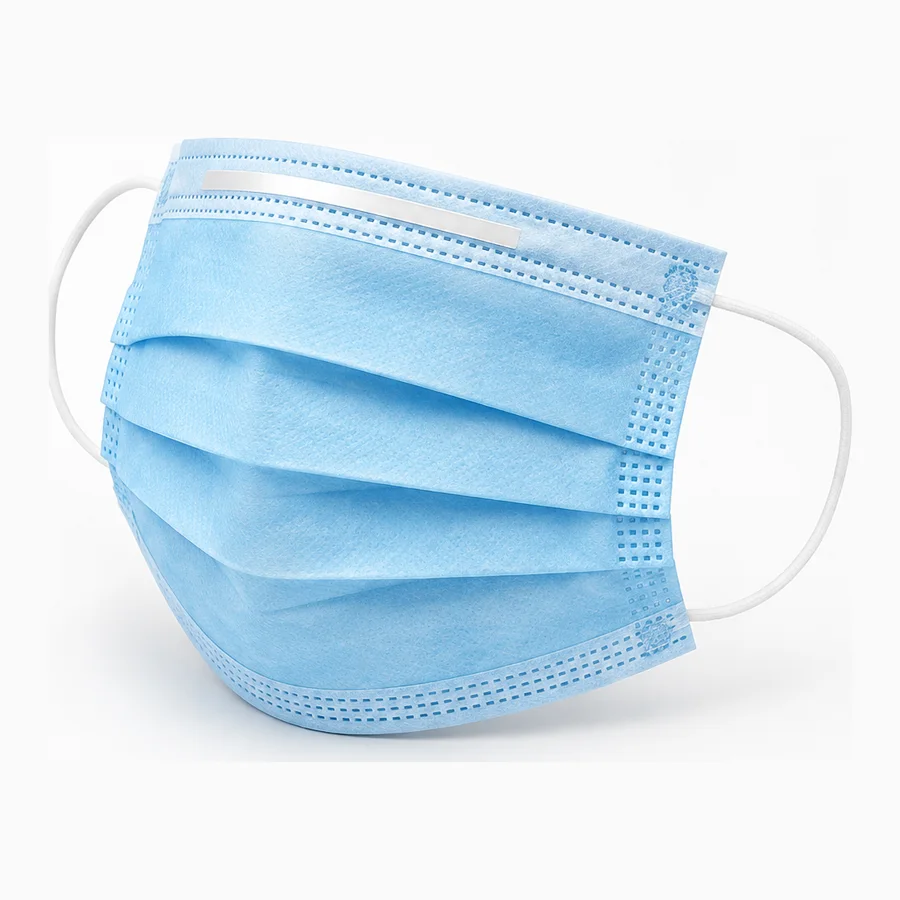
VANTERIS 3-Ply Pleated Face Mask, Blue
Blue 3-ply pleated face mask, BFE ≥98%, with nose clip and elastic earloops.
VNT-73P-BL-503-ply PP17.5 × 9.5 cmBlue50
Bioburden, particle and residue control in medical device manufacturing and assembly.
A medical device is manufactured twice: the product, and the record showing how it was made. Environmental cleanliness is part of both, because the microbial load the product carries into sterilisation determines whether the chosen sterilisation cycle is enough.
Validating a sterilisation process rests on product bioburden before the process; ISO 11737-1 describes how it is determined. If the assembly environment adds more load than assumed, the dose or cycle margin erodes on its own, and the problem shows up as a monitoring trend long before it shows up as a rejected lot.
Environmental control is therefore not a facility ornament: it feeds a number that sits in the validation record and is revisited whenever something on the line changes.
On implants, catheters, optics and infusion sets, an adhered particle is a product defect and can be an inspection finding. Chemical residue goes further: it enters biocompatibility territory, which ISO 10993 assesses from the materials and from what can be extracted out of them.
A wiper leaving extractables on a surface destined for tissue contact is contributing something absent from the device’s biological evaluation. It is an easy contamination route to overlook, because the consumable is not thought of as part of the product.
ISO 13485 requires control of the work environment where it can affect product conformity, and ISO 14971 requires risk to be reasoned explicitly and documented. In practice that translates into concrete, unglamorous things.
Specify the consumable by part number rather than description. Require lot-to-lot consistency and keep the evidence. Treat changing the supplier of a wiper that touches product as what it is: a change requiring impact assessment, not a purchasing decision.
The garment system contains what personnel shed, and IEST-RP-CC003 is the reference it is designed against: which garment, in which material, changed how often. On device lines disposable garments are common because they remove the laundering and garment-life variables.
Tacky mats at entrances and airlock procedures close the floor and transport route. They are inexpensive controls whose performance depends entirely on being changed according to real traffic load.
Not every device needs the same environment. A low-class non-sterile assembly and an implant do not share a requirement, and classifying the whole plant at the level of the most demanding process costs money without reducing risk where there is none.
The sensible route is to start from the product risk analysis, derive the environmental requirement per zone, then choose the consumable per zone. That avoids both the overspend of using sterile material where it is not needed and the defect of using general-purpose material where it was.
Usually three linked questions: what do you use, why that and not something else, and how do you know it is still the same lot after lot. The first is answered by the purchase order; the second by the risk analysis; the third by the lot certificate and change control.
When one of the three is missing, what follows is not a technical discussion but a finding, and the cost of closing it far exceeds whatever was saved on the consumable.
| ISO 13485 | Quality management system for medical devices. |
|---|---|
| ISO 11737-1 | Determination of the population of microorganisms on product. |
| ISO 10993 | Biological evaluation of medical devices. |
| IEST-RP-CC003 | Garment systems for cleanrooms and controlled environments. |
Standards are cited as industry reference. VANTERIS claims no certification against them beyond what each product datasheet states.
Blue 3-ply pleated face mask, BFE ≥98%, with nose clip and elastic earloops.
VNT-73P-BL-50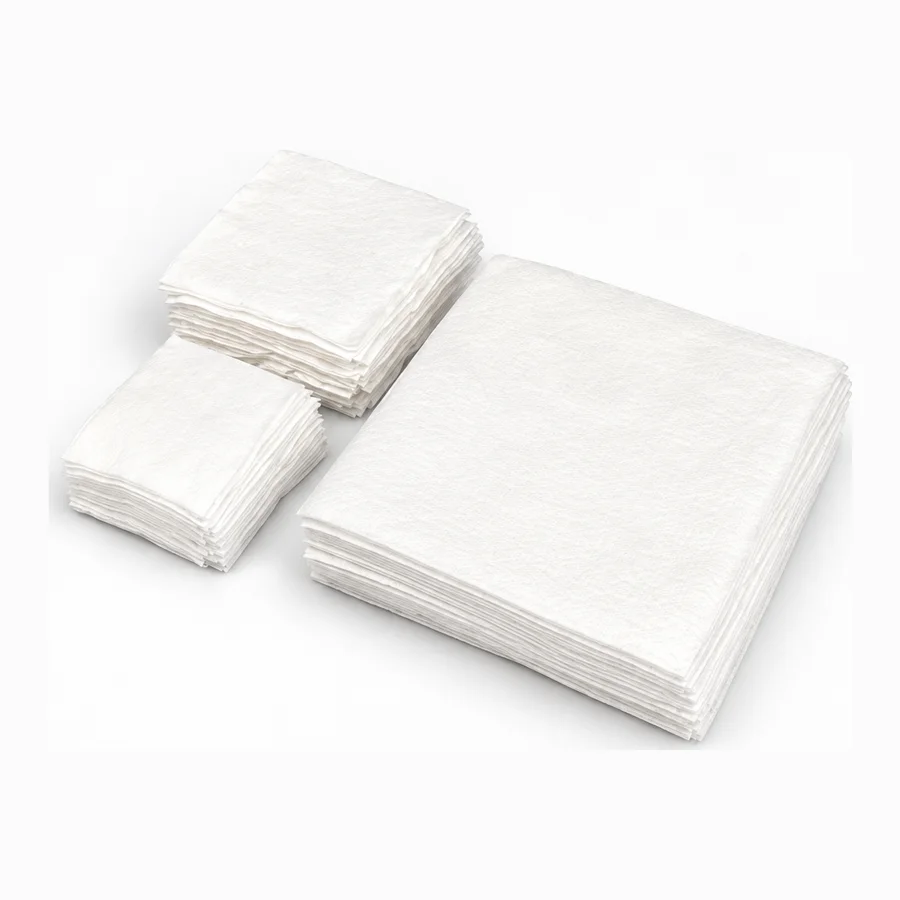
100% polyester 9 × 9 in wipe with laser-sealed edges and low particle generation.
VTN-WP-PES-LS-99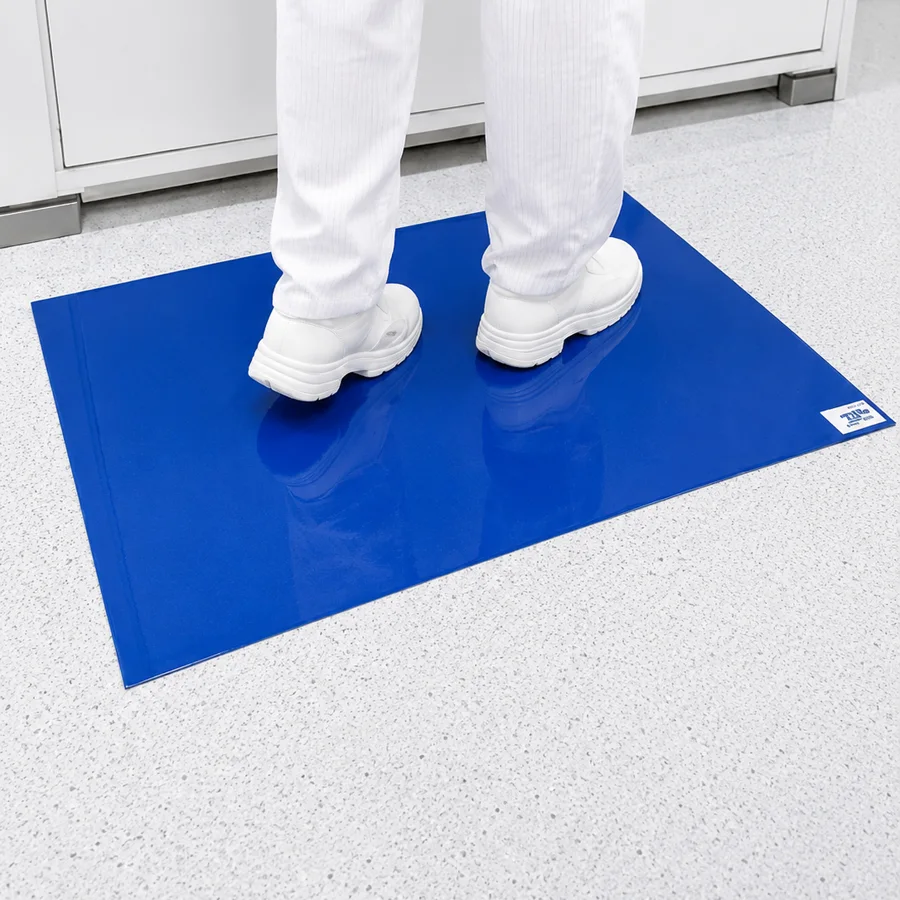
Blue 30-layer sticky mat, 24 × 36 in, for particle retention at entry points.
VTN-MAT-PE-STK-2436-BLU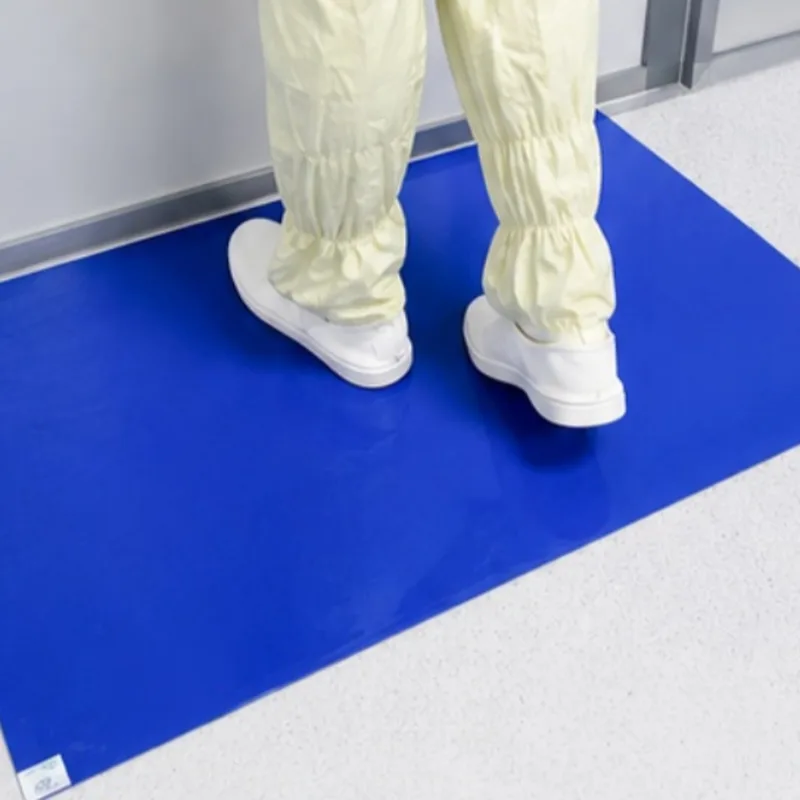
Blue 30-layer sticky mat, 26 × 45 in, for particle retention at entry points.
VTN-MAT-PE-STK-2645-BLU
Disposable 10 gsm nonwoven polypropylene beard cover with elastic band, 18 in.
VTN-AP-PP-BRD-UNI-WHT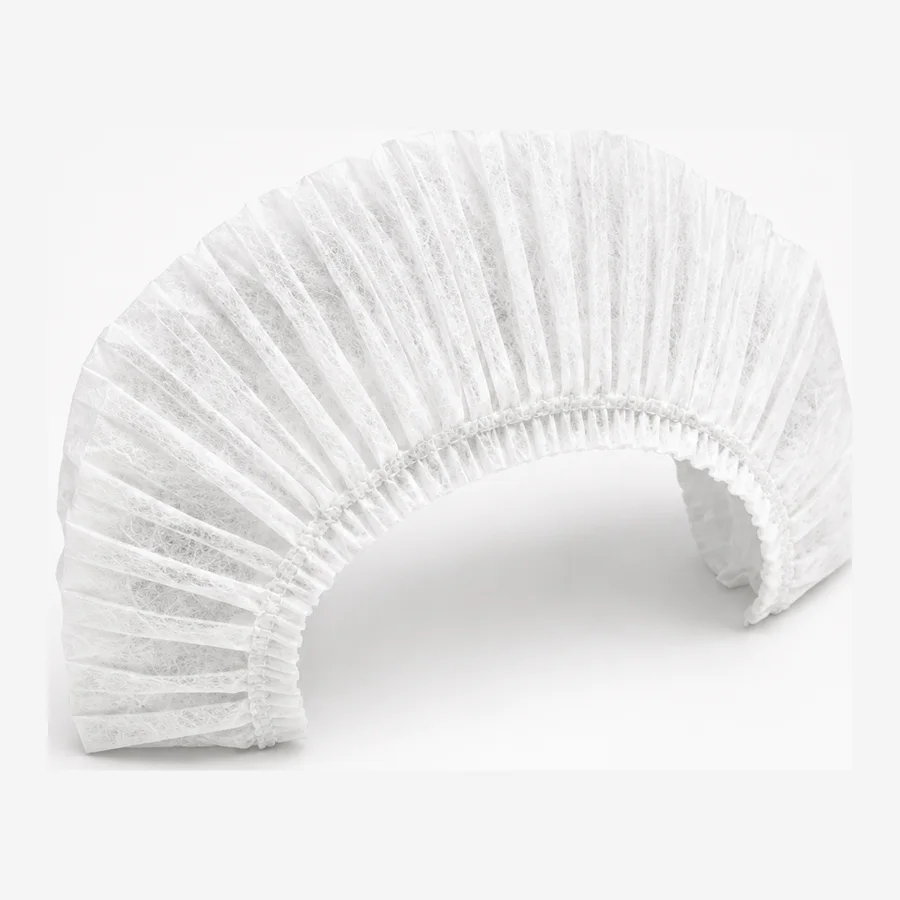
Disposable 10 gsm nonwoven polypropylene pleated cap with elastic band, 24 in.
VTN-AP-PP-BFPL-24-WHT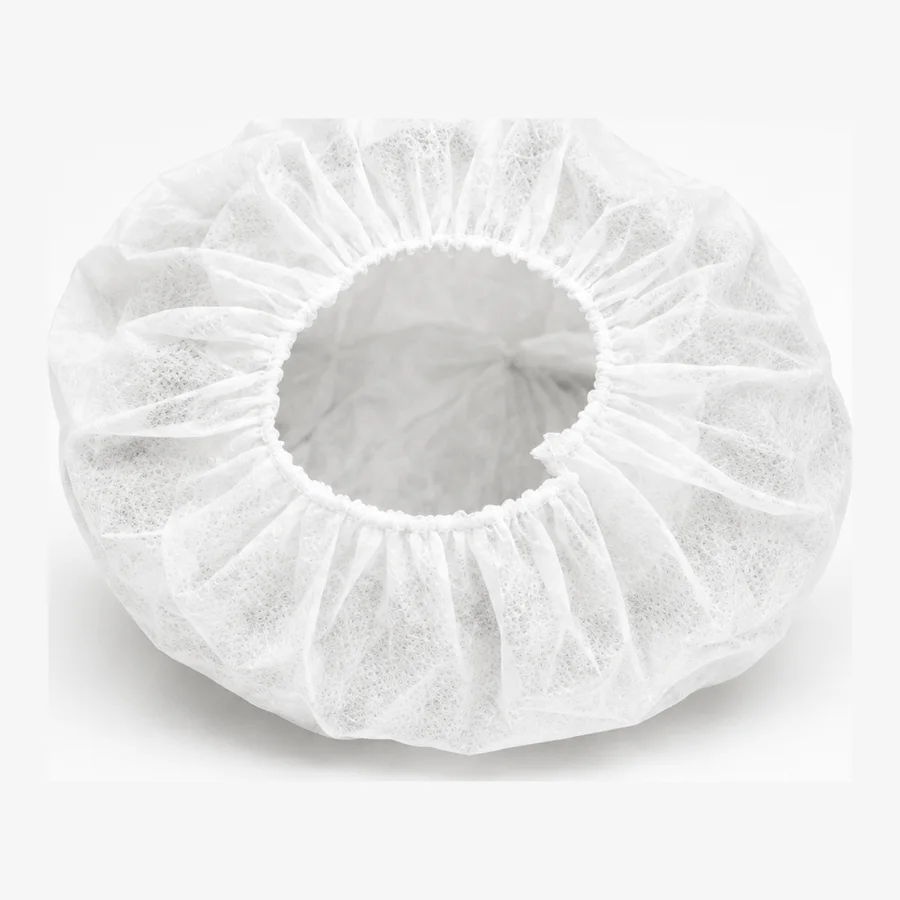
Disposable 10 gsm nonwoven polypropylene bouffant cap with elastic band, 24 in.
VTN-AP-PP-BFRD-24-WHT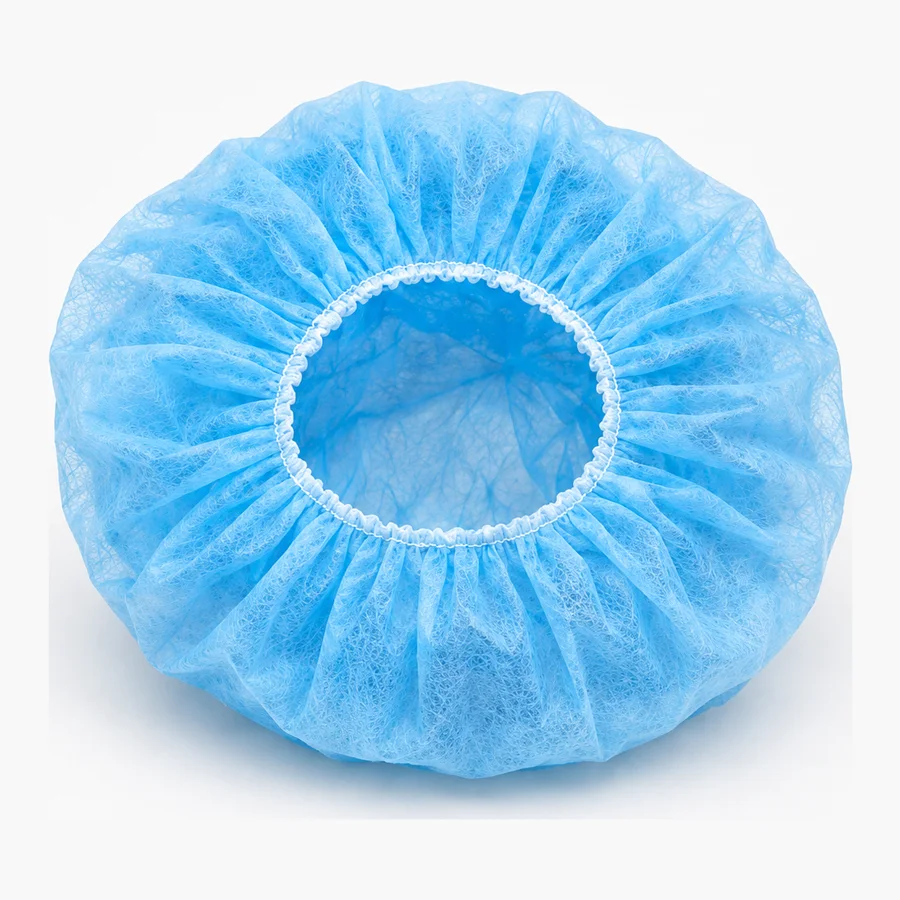
Disposable 10 gsm nonwoven polypropylene bouffant cap with elastic band, 24 in.
VTN-AP-PP-BFRD-24-BLU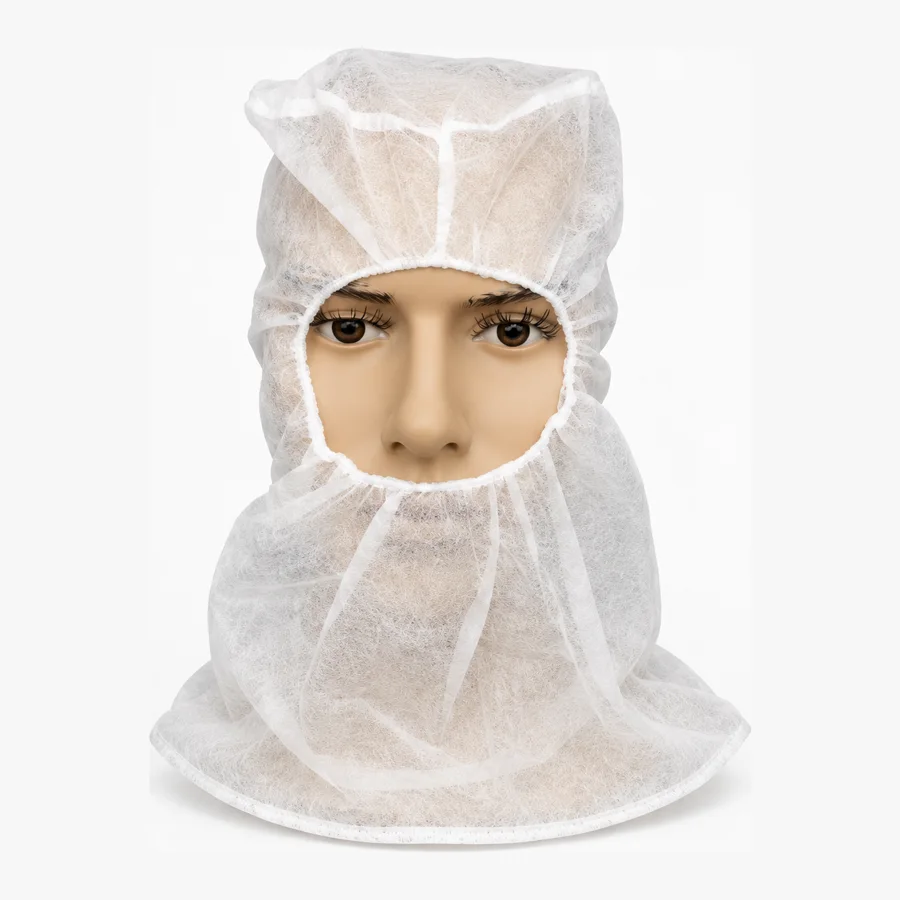
25 gsm nonwoven polypropylene hood covering head and neck, latex free.
VTN-AP-PP-NH-UNI-WHT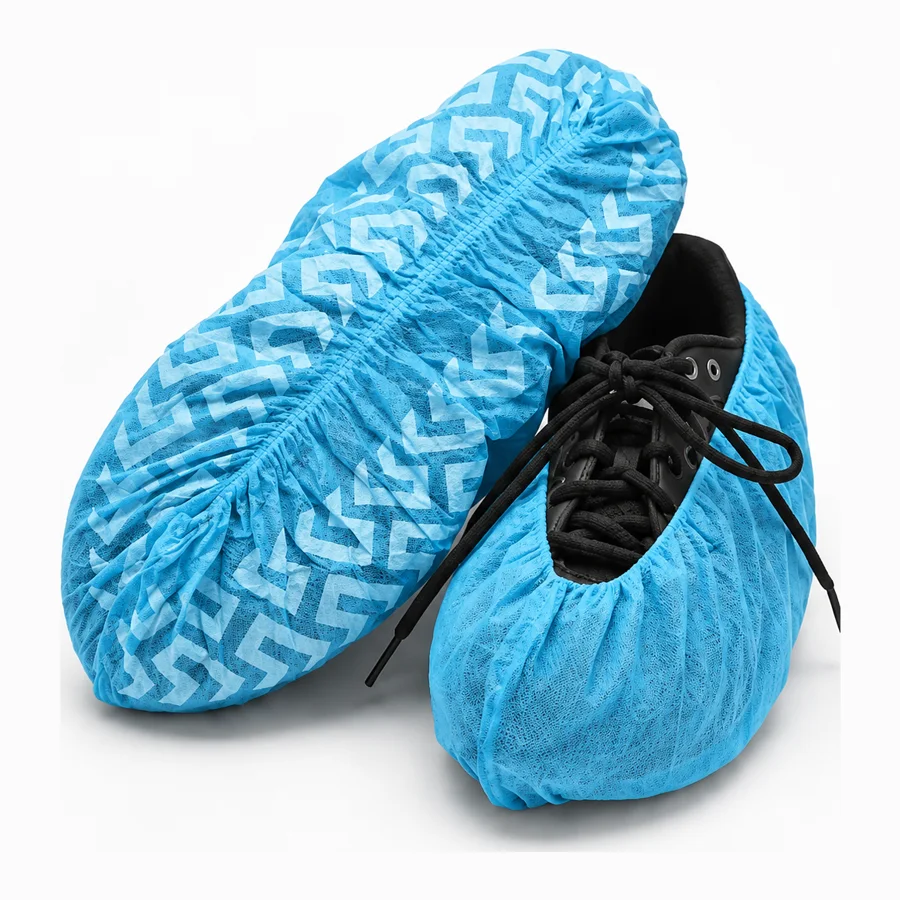
Disposable 35 gsm SPP polypropylene shoe cover with antislip sole.
VTN-AP-PP-SC-UNI-BLU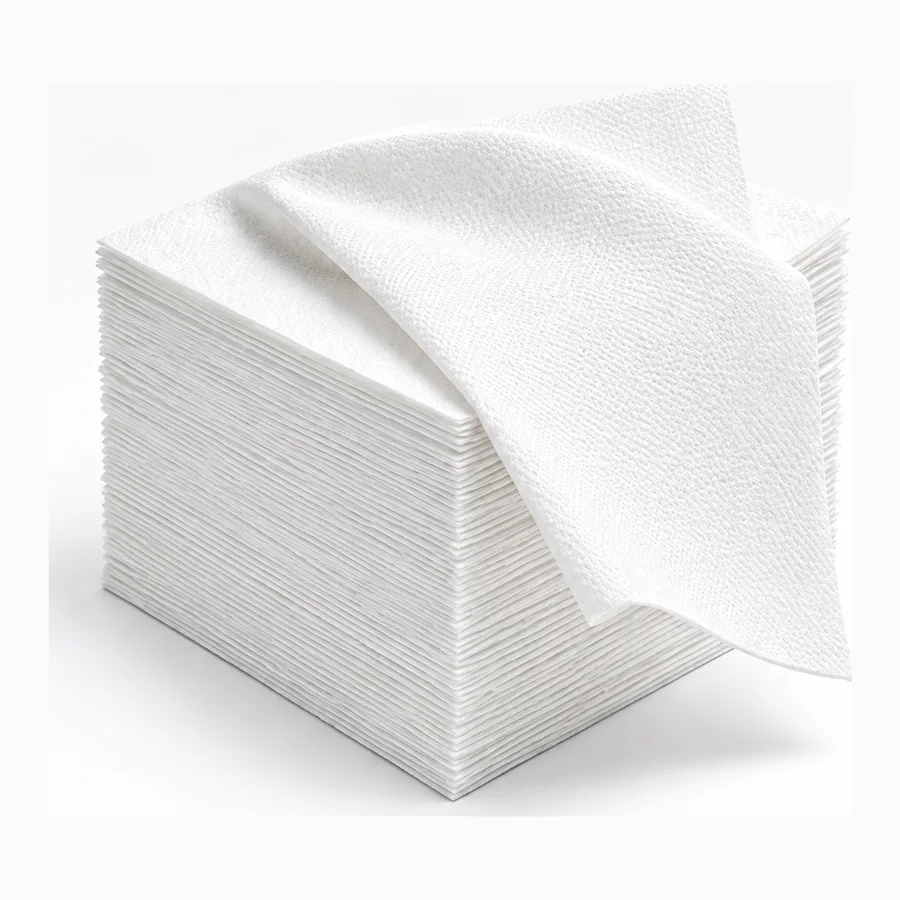
55% cellulose / 45% polyester nonwoven wipe, 6 × 6 in, low particle generation.
VTN-WP-NW-66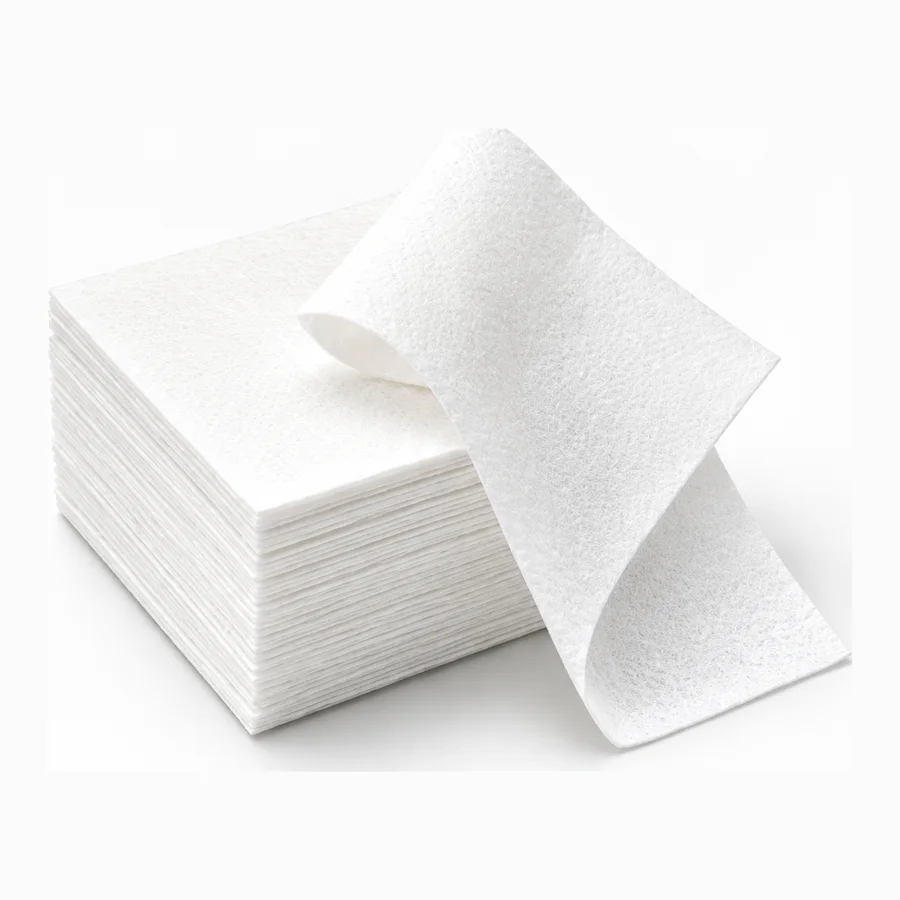
55% cellulose / 45% polyester nonwoven wipe, 9 × 9 in, low particle generation.
VTN-WP-NW-99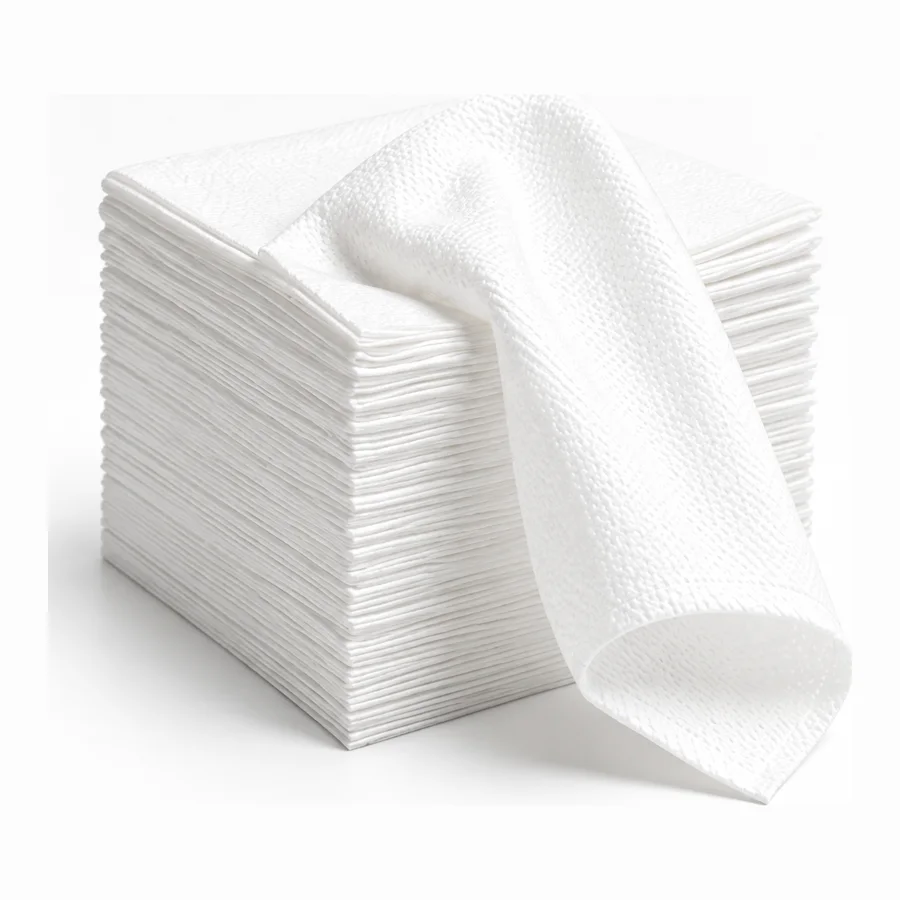
100% continuous-filament polyester wipe in double knit, 6 × 6 in, for precision cleaning.
VTN-WP-PES-DK-66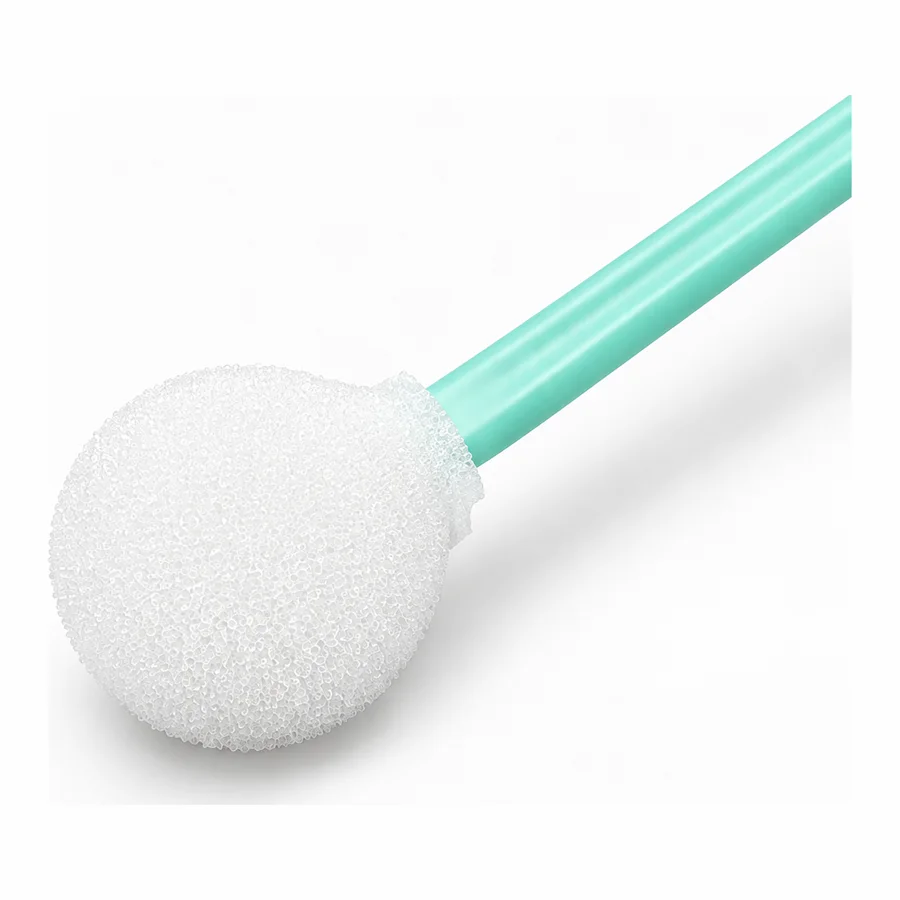
PU foam swab, large round head, 132.2 mm
VTN-SW-PU-LC-132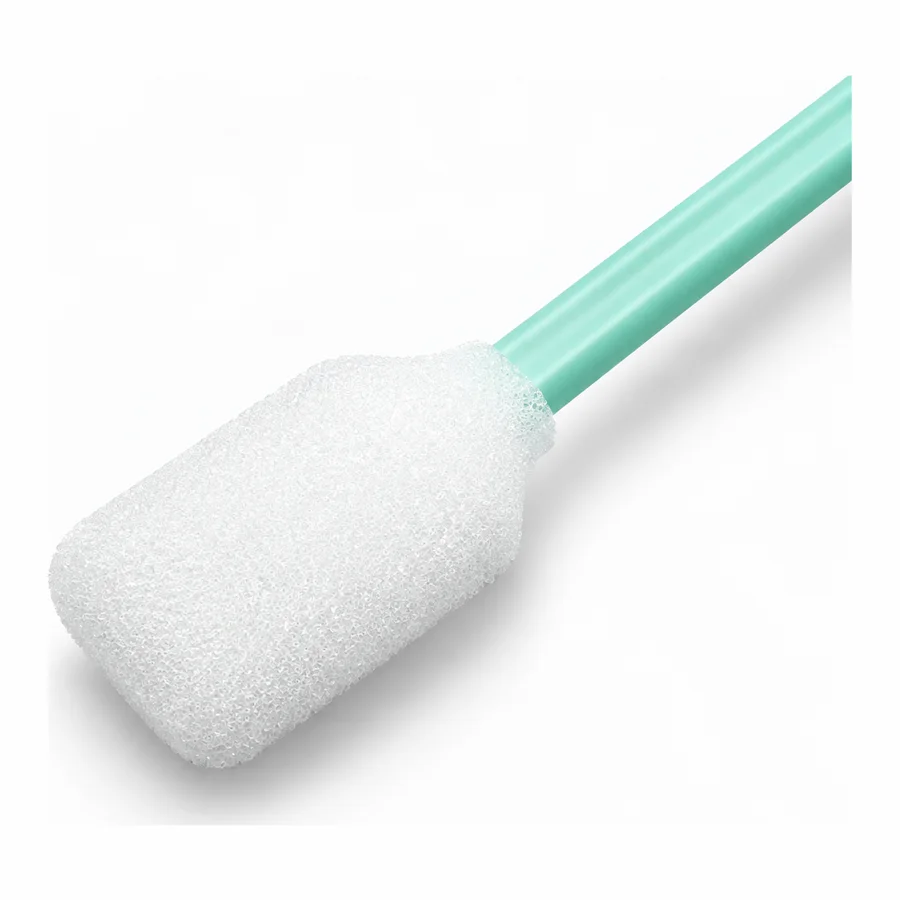
PU foam swab, large rectangular head, 127.5 mm
VTN-SW-PU-LR-128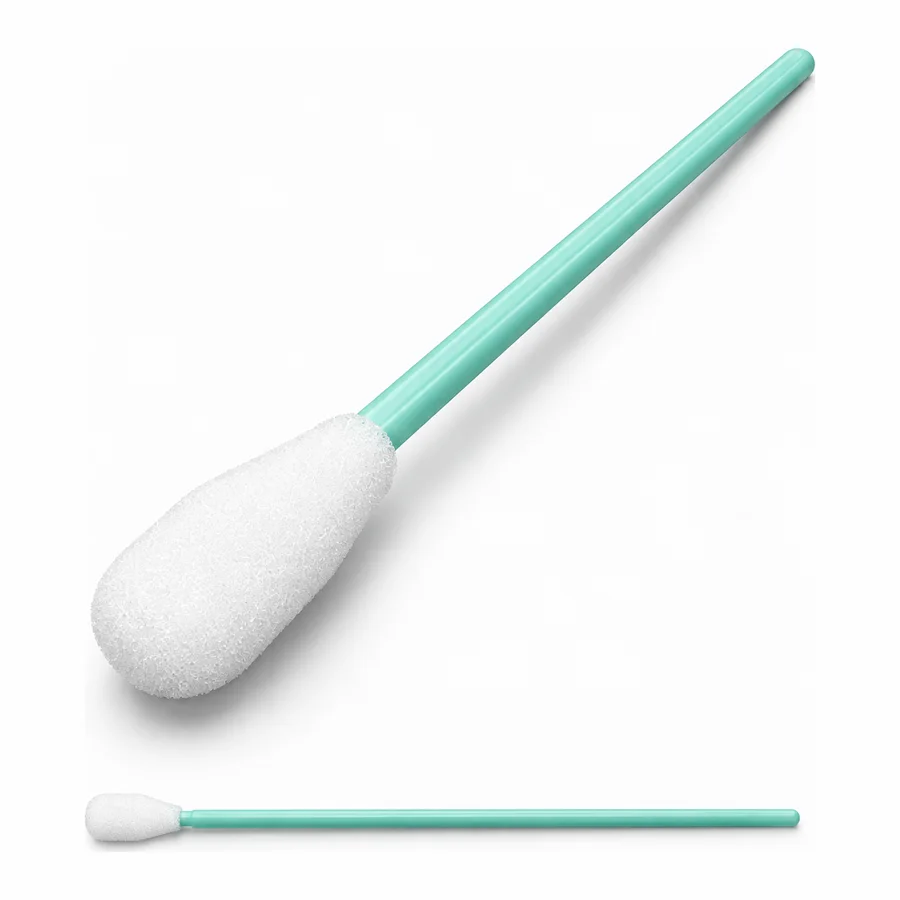
PU foam swab, medium head and long handle, 163 mm
VTN-SW-PU-MD-163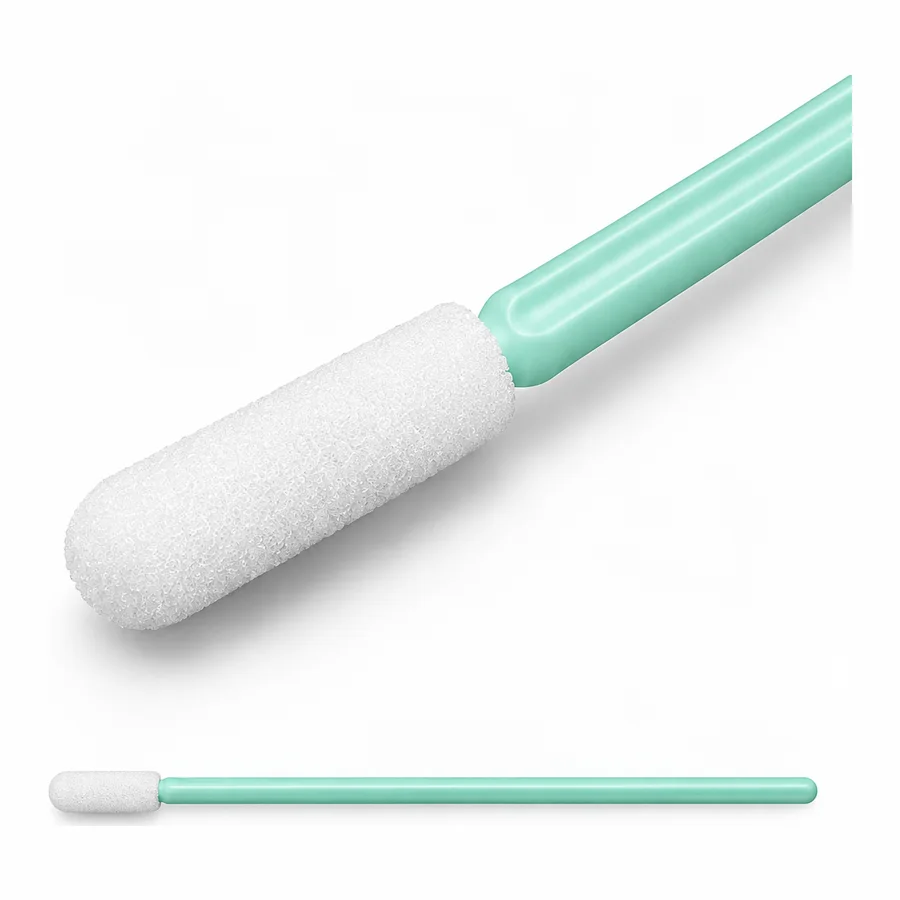
PU foam swab, small flexible tip, 67.3 mm
VTN-SW-PU-SF-067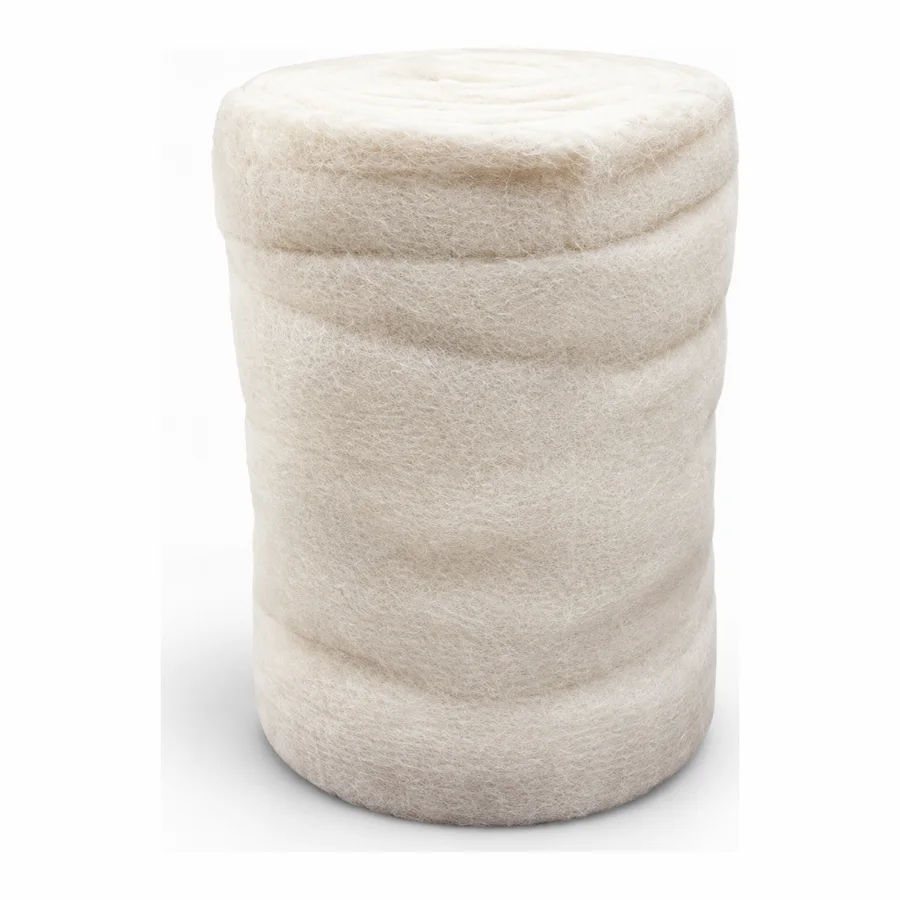
100% purified cotton roll, 3-ply, 10 × 16 in, 100 sheets. Equivalent to RYMPLECLOTH® 301 and HERMITEX® 300.
VTN-WP-CT-PUR-3P-1016