
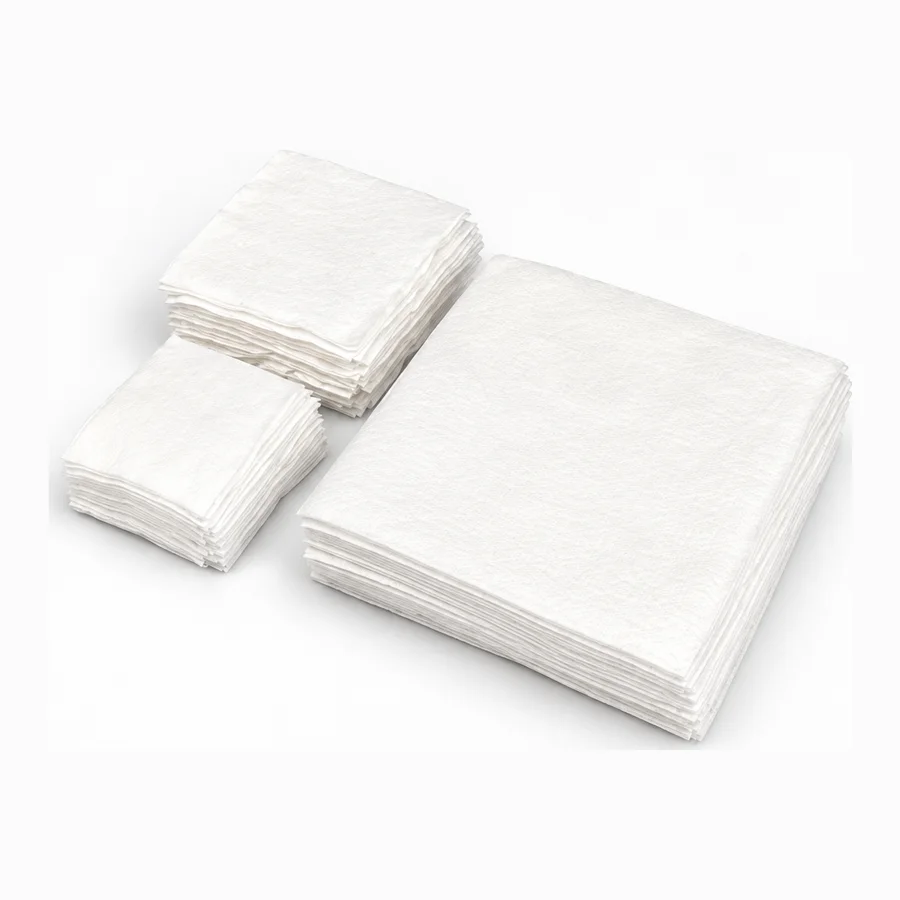
VANTERIS Polyester Wipe 9 × 9 in
100% polyester 9 × 9 in wipe with laser-sealed edges and low particle generation.
VTN-WP-PES-LS-99Laser sealed150101500
Contamination control strategy, gowning and consumables for classified areas in pharmaceutical manufacturing.
Sterile medicines manufacturing is governed today by one underlying idea: the contamination control strategy. It is not a list of approved products; it is a document explaining how every element of the process — consumables included — contributes to the product reaching the patient sterile.
Annex 1 of the EU GMP orders the environment into grades A, B, C and D, and requires a documented contamination control strategy integrating facility design, utilities, procedures, monitoring and materials. Grade A is the critical zone where product is exposed; the other grades are the backing that sustains it.
Particle classification rests on ISO 14644-1 and runs alongside microbiological monitoring, which is what really governs an aseptic process. A room can meet its particle class and still have a microbiological problem: they are two different questions about the same air.
Everything crossing into a classified area must be justifiable: what it is made of, how much particulate it adds, how it was introduced and how it is disposed of. For the highest grades, wipers are usually required sterile and double or triple bagged, so a layer is removed at each airlock and what finally enters was never exposed to the previous step.
Choosing between dry and pre-saturated wipers is a control decision: pre-saturated delivers a constant alcohol dose and removes the operator variable; dry lets you choose the agent and avoids storing flammable liquid in the area. Both are defensible, but which one is used and why has to be written down.
Disinfection programmes typically alternate agents and add a sporicide at a defined frequency. That means verifying wiper compatibility with every agent in the programme, not only with the everyday alcohol.
A material that breaks down under the sporicide sheds fibre in the most critical operation of the month. It is a detail that rarely appears in a purchase specification and is best settled before qualification, not after a deviation.
In aseptic filling most of the microbiological risk arrives with the operator. Hence the full gowning system — cap, face mask, shoe cover, coverall, glove — and the donning order, which is trained, qualified and periodically requalified for every person entering the area.
Outside sterile areas the logic changes but does not disappear: sterile compounding and hazardous drug handling fall under USP <797> and USP <800>, with their own mix of product containment and worker protection.
A consumable entering a classified area goes through the same kind of control as a process material: written specification, supplier qualification, lot verification and change control. Switching wiper brands without evaluation is a deviation, however identical the new wiper looks.
The documentation asked of the supplier usually includes a certificate of analysis per lot, sterilisation evidence where applicable, and particle and extractables data obtained by recognised methods, typically those of IEST-RP-CC004 for wiping materials.
Three things prevent most findings: which consumable is used in each area grade and for which operation; how it is introduced and disposed of; and what evidence supports that it adds no contamination beyond what was assumed.
Once those three answers exist on paper, the conversation with the auditor stops being about the product and becomes about the process, which is where it belongs.
| EU GMP Anexo 1 | Manufacture of sterile medicinal products; grades A-D and contamination control strategy. |
|---|---|
| ISO 14644-1 | Classifies air cleanliness by particle concentration. |
| USP <797> | Pharmaceutical compounding of sterile preparations. |
| USP <800> | Handling hazardous drugs in healthcare settings. |
Standards are cited as industry reference. VANTERIS claims no certification against them beyond what each product datasheet states.
100% polyester 9 × 9 in wipe with laser-sealed edges and low particle generation.
VTN-WP-PES-LS-99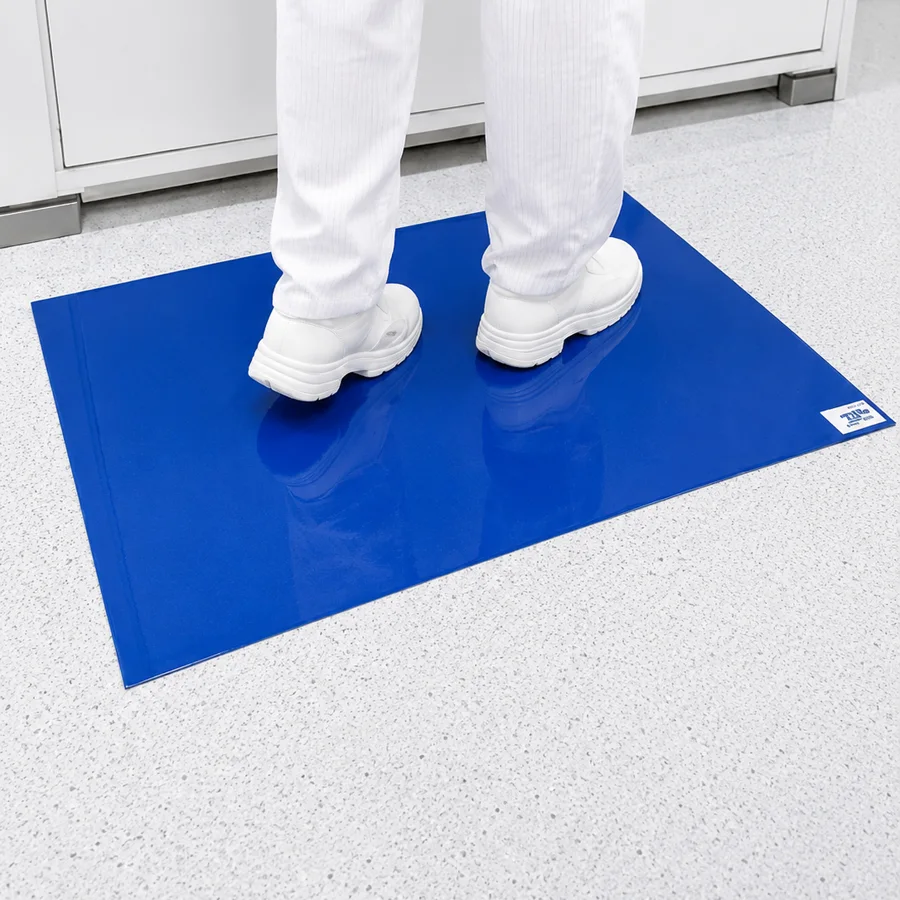
Blue 30-layer sticky mat, 24 × 36 in, for particle retention at entry points.
VTN-MAT-PE-STK-2436-BLU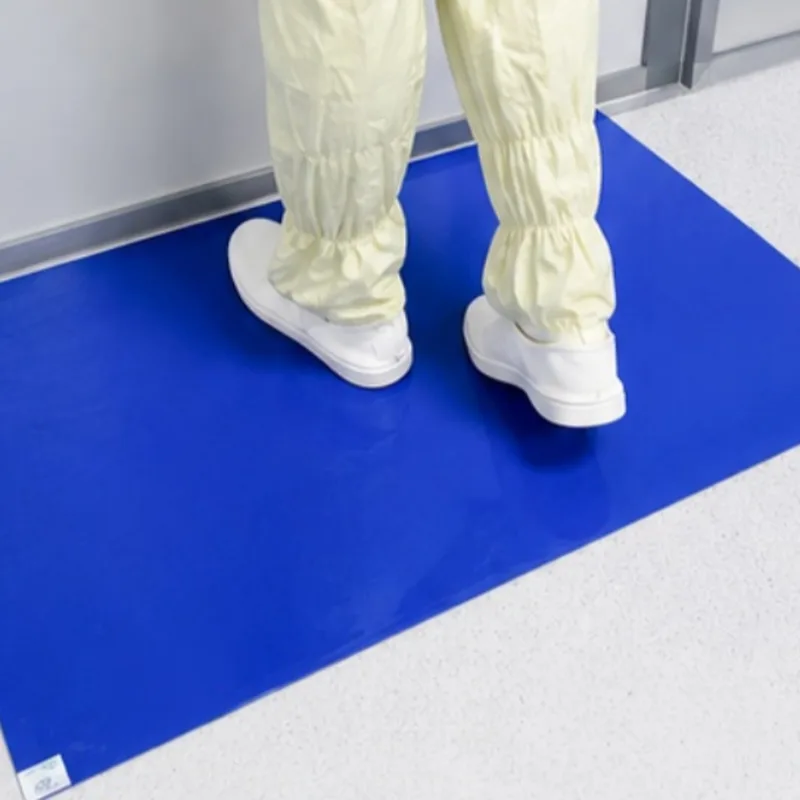
Blue 30-layer sticky mat, 26 × 45 in, for particle retention at entry points.
VTN-MAT-PE-STK-2645-BLU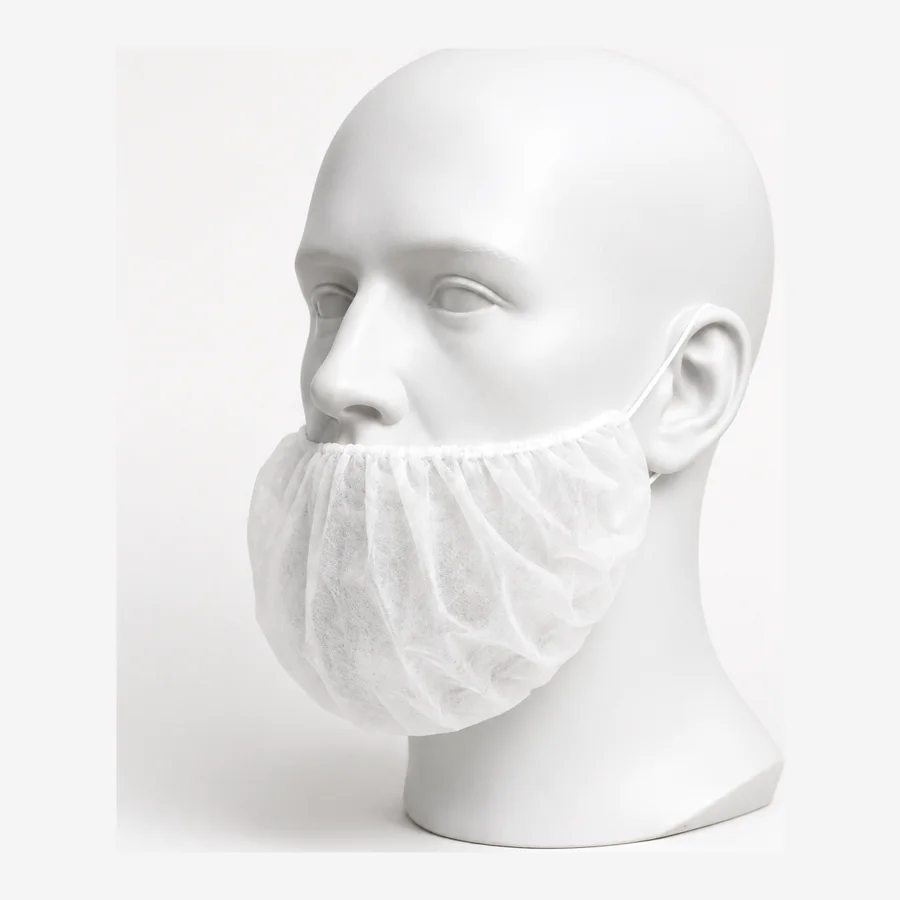
Disposable 10 gsm nonwoven polypropylene beard cover with elastic band, 18 in.
VTN-AP-PP-BRD-UNI-WHT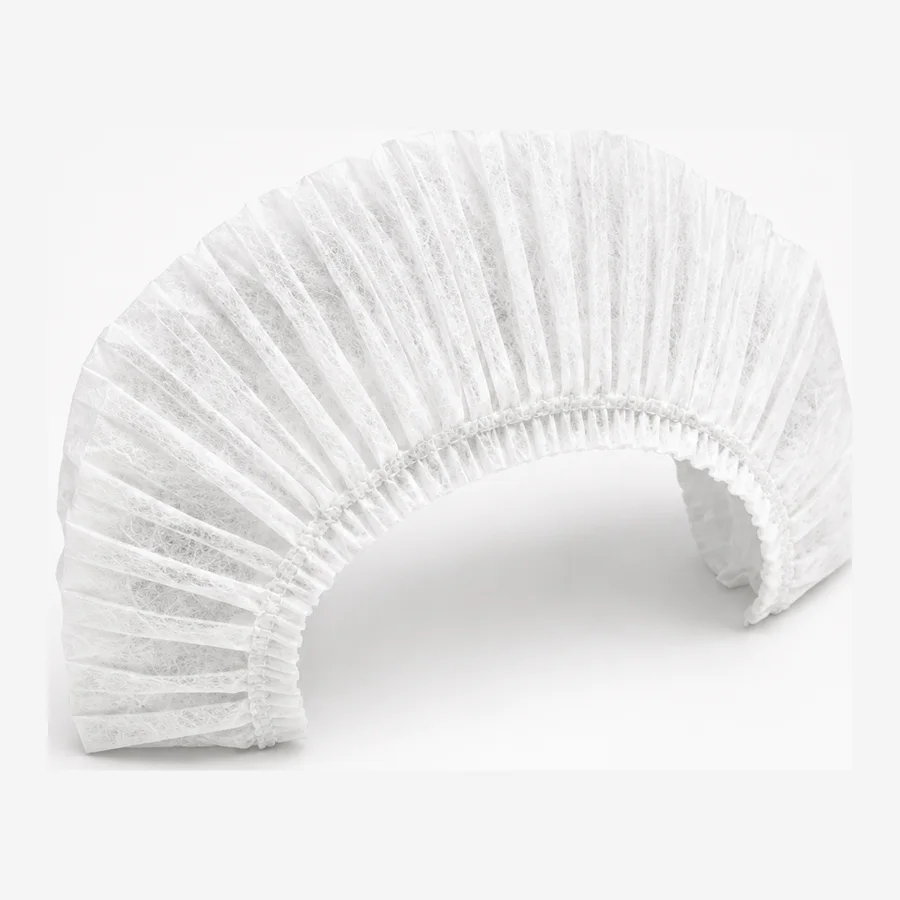
Disposable 10 gsm nonwoven polypropylene pleated cap with elastic band, 24 in.
VTN-AP-PP-BFPL-24-WHT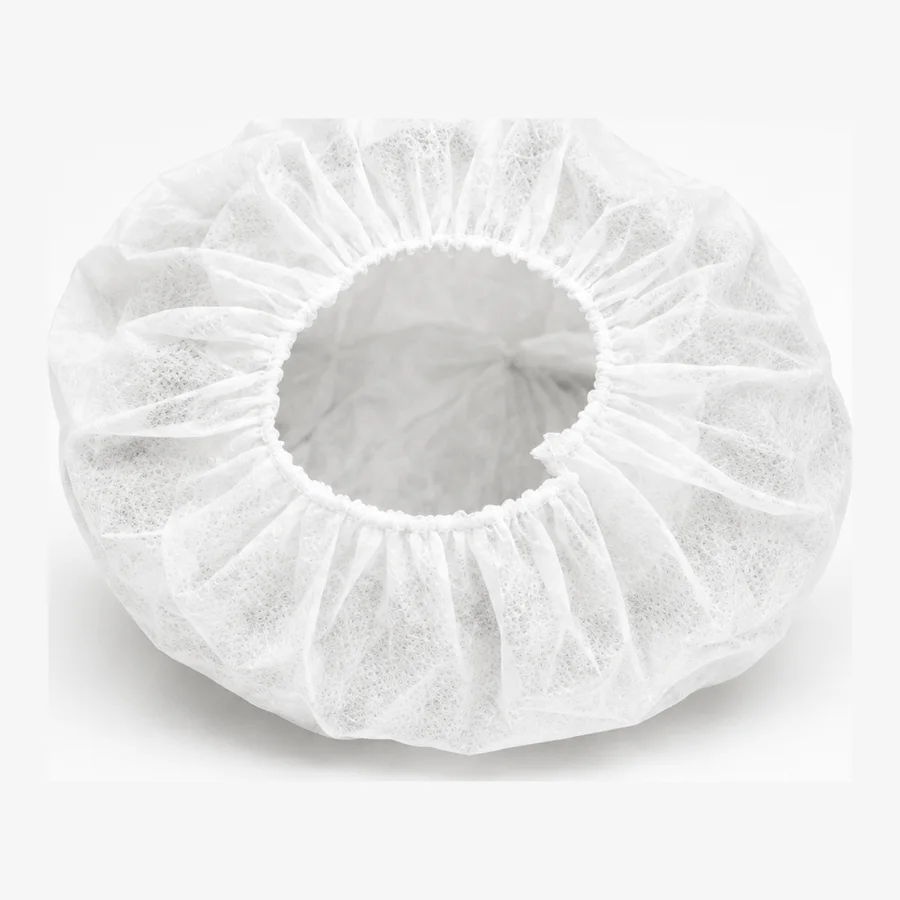
Disposable 10 gsm nonwoven polypropylene bouffant cap with elastic band, 24 in.
VTN-AP-PP-BFRD-24-WHT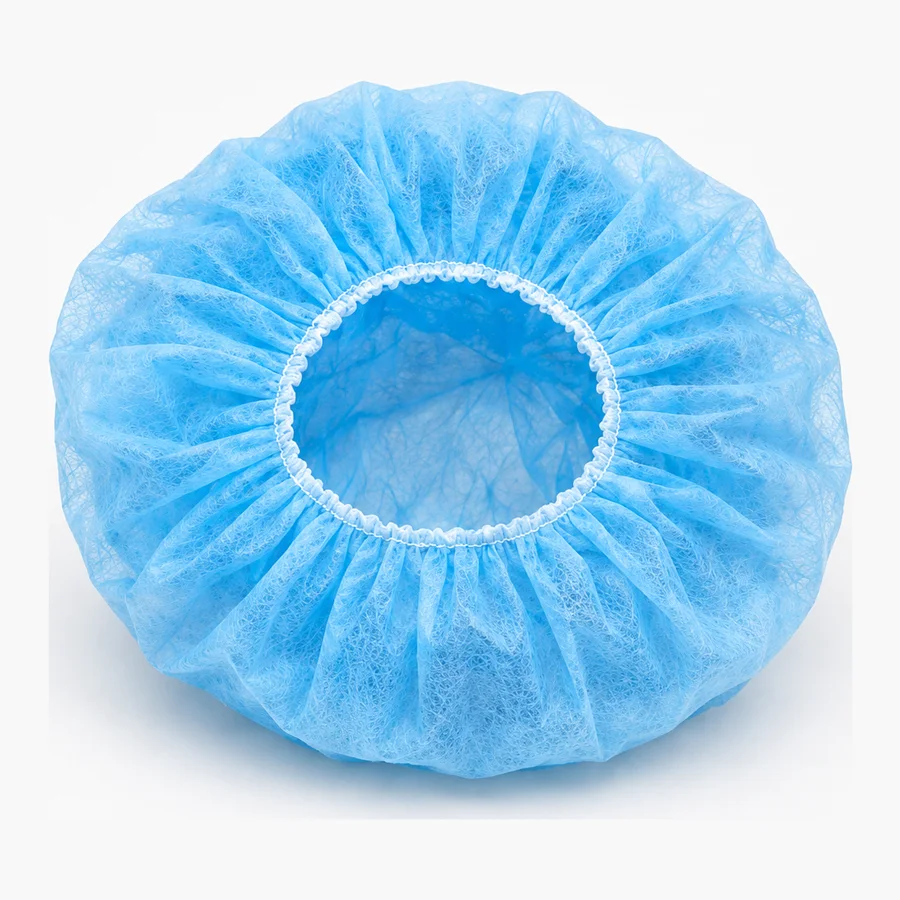
Disposable 10 gsm nonwoven polypropylene bouffant cap with elastic band, 24 in.
VTN-AP-PP-BFRD-24-BLU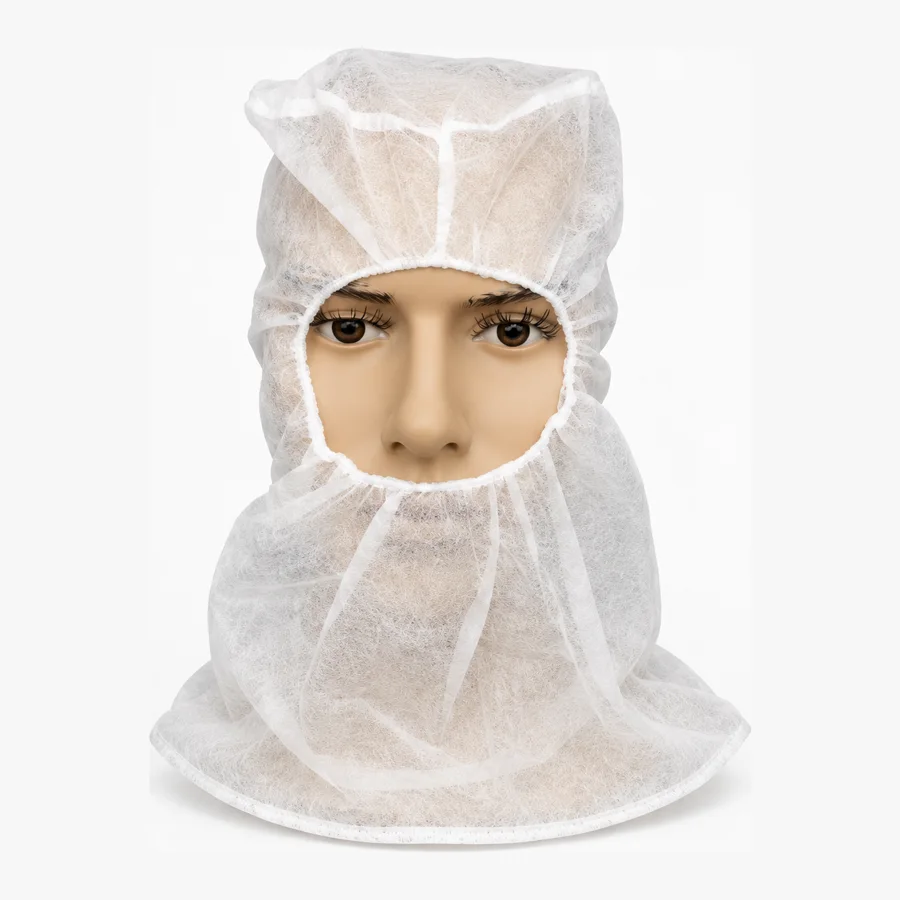
25 gsm nonwoven polypropylene hood covering head and neck, latex free.
VTN-AP-PP-NH-UNI-WHT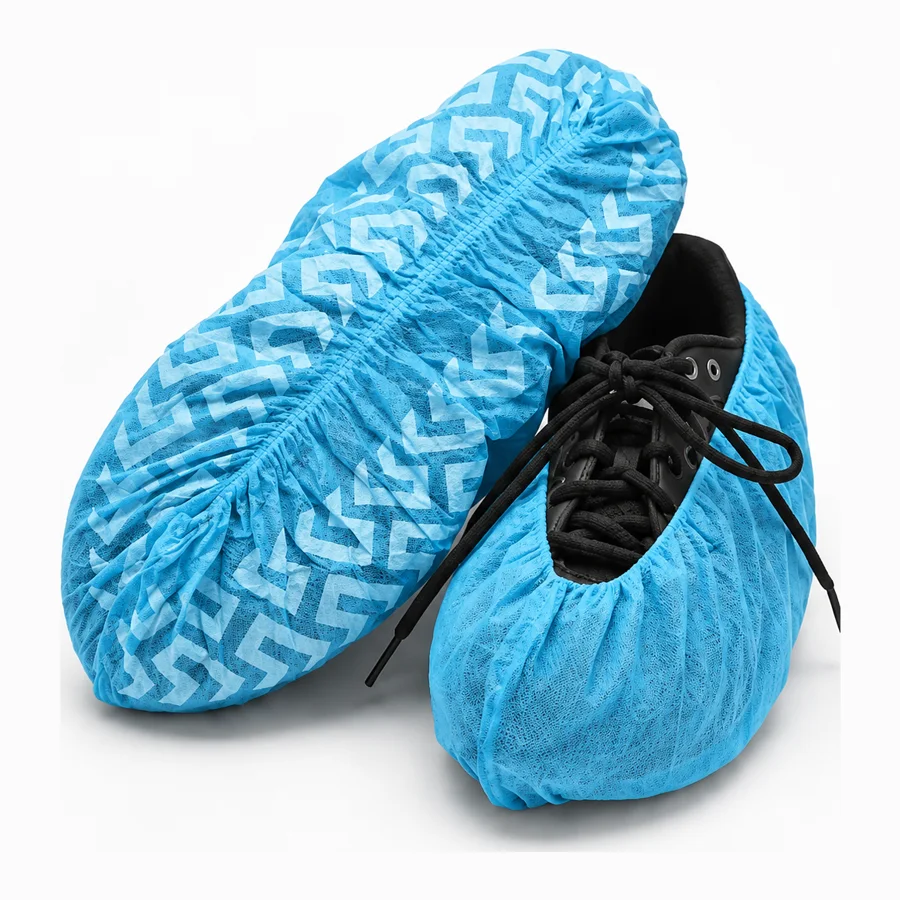
Disposable 35 gsm SPP polypropylene shoe cover with antislip sole.
VTN-AP-PP-SC-UNI-BLU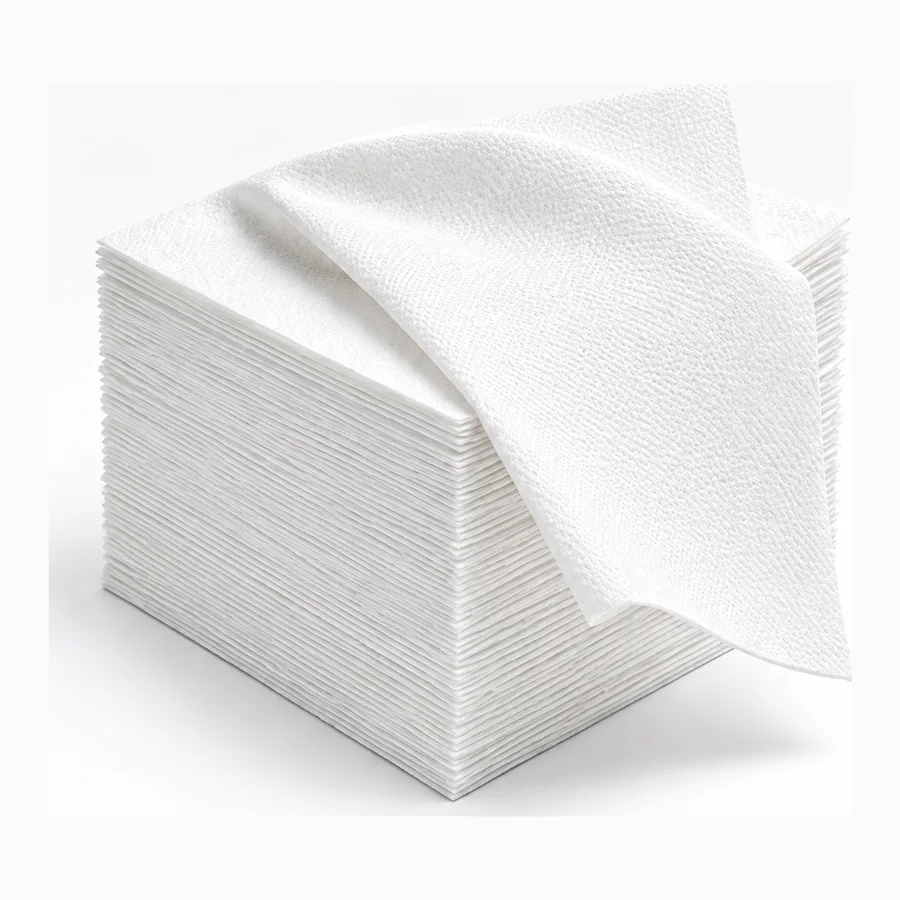
55% cellulose / 45% polyester nonwoven wipe, 6 × 6 in, low particle generation.
VTN-WP-NW-66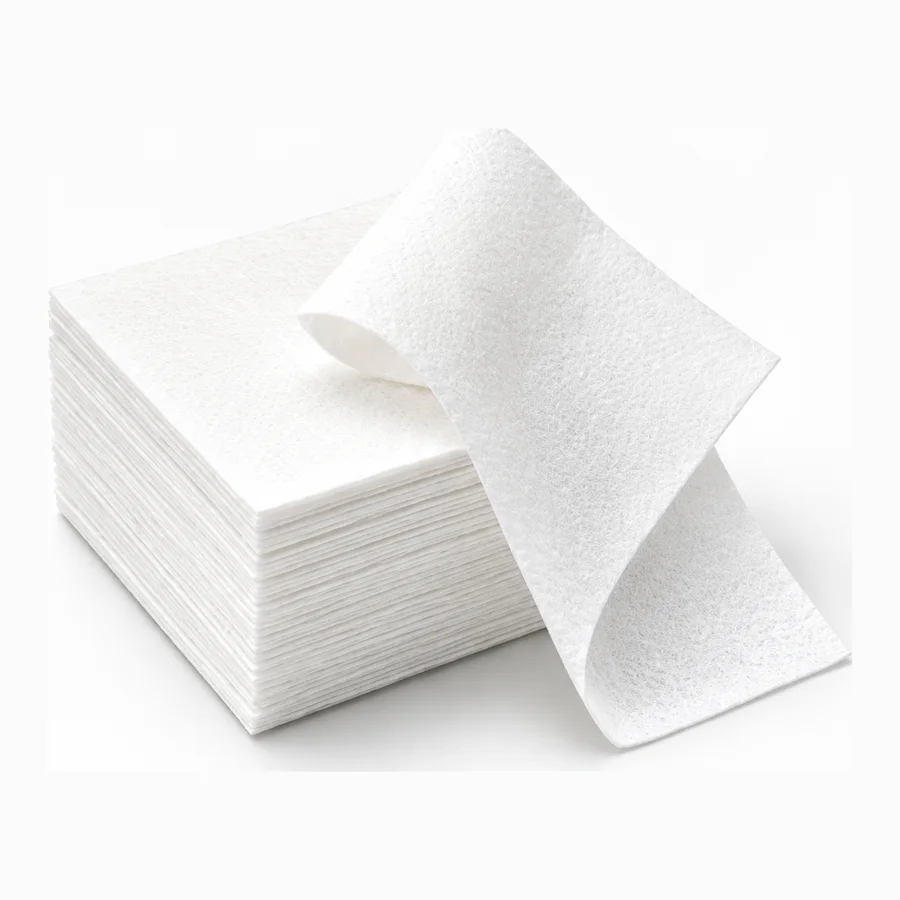
55% cellulose / 45% polyester nonwoven wipe, 9 × 9 in, low particle generation.
VTN-WP-NW-99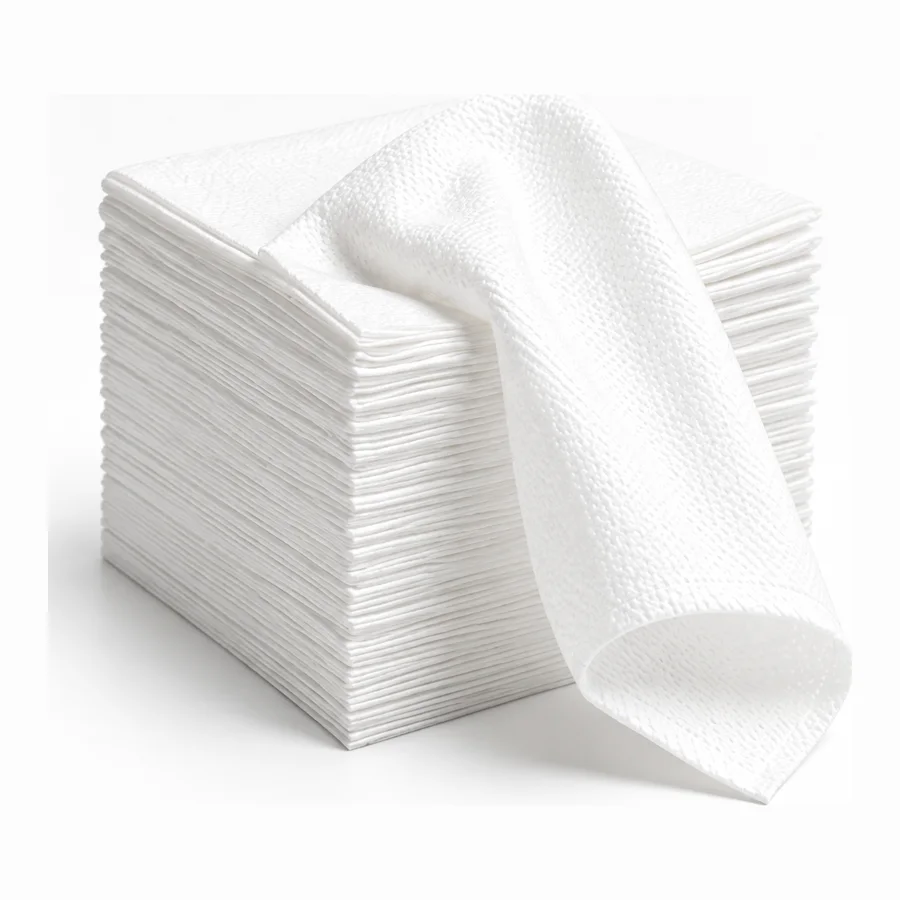
100% continuous-filament polyester wipe in double knit, 6 × 6 in, for precision cleaning.
VTN-WP-PES-DK-66