

VANTERIS 3-Ply Pleated Face Mask, Blue
Blue 3-ply pleated face mask, BFE ≥98%, with nose clip and elastic earloops.
VNT-73P-BL-503-ply PP17.5 × 9.5 cmBlue50
Assembly cleaning, ionic residue control and ESD protection in electronics manufacturing.
An electronic assembly fails because of things you cannot see: ionic residue left under a component, a fibre bridging two traces, a discharge that degrades a junction without destroying it. Cleaning and static control are not the end of the line; they are part of the process.
Soldering leaves flux residues, and not all of them are inert. With moisture and an electric field present, ionic residues allow electrochemical migration: dendrites grow between conductors until they short. The assembly can pass functional test and fail months later in the field.
The IPC family covers this ground: IPC J-STD-001 for soldering requirements, IPC-A-610 for acceptability criteria, and the IPC-TM-650 methods for measuring cleanliness. The industry has been moving from the old solvent-extract resistivity test to ion chromatography, which does say which species is present and in what quantity.
The wiper used on a board can be the thing that contaminates it. Three properties matter: that it sheds no fibre onto the assembly, that it adds no extractables of its own, and that it withstands the solvent — usually isopropyl alcohol — without breaking down.
Wipers suit large surfaces; swabs suit connectors, pins and areas under components. A polyurethane foam head is the choice when residue has to be carried away and solvent applied in a controlled dose.
Component sensitivity has fallen as geometries shrink, and part of the ESD damage is not an immediate failure but latent degradation that shortens service life without showing up at final test.
ANSI/ESD S20.20 — and IEC 61340-5-1 internationally — defines the programme: bound the protected area, ground people and surfaces, and control the materials that come in. Packaging is part of the equation: a component protected on the line and shipped in an ordinary bag loses what was gained.
Not all electronics is built in a classified cleanroom, but the logic holds: the operator is the most constant source of particles and fibre. Face masks, caps and disposable gowns contain that emission; tacky mats at the entrance hold what arrives on footwear and trolleys.
It is the cheapest layer of control and the one with the best return when it is respected. It is also the first to slip when production pressure rises, and that shows up in the defect rate before it shows anywhere else.
The cost of a consumable is not its unit price; it is how many units the operation burns and how much rework it prevents. A thin wiper that has to be folded three times so the solvent does not soak through costs three times what the invoice says. A swab whose head deforms on first contact forces the pass to be repeated.
So the format should be specified alongside the material: loose wipers, pre-cut rolls or a pop-up dispenser box change both consumption and handling. A pop-up box, for instance, delivers one sheet at a time and stops the operator grabbing three with a gloved hand, which is the most common consumption leak on the floor.
In high-reliability electronics — automotive, medical, aerospace — the consumable that touches product enters the record. That means specifying it by part number rather than generic description, keeping the lot certificate where the process requires it, and treating a supplier change as a change subject to validation.
It is paperwork that looks disproportionate until the first time you have to explain why a whole batch shows the same surface defect. At that point, being able to say which wiper was used, from which lot and against which specification is the difference between closing the investigation in a week or in a quarter.
| IPC J-STD-001 | Requirements for soldered electrical and electronic assemblies. |
|---|---|
| IPC-A-610 | Acceptability criteria for electronic assemblies. |
| IPC-TM-650 | Test methods, including cleanliness and ionic residue. |
| ANSI/ESD S20.20 | Requirements for an electrostatic discharge control programme. |
Standards are cited as industry reference. VANTERIS claims no certification against them beyond what each product datasheet states.
Blue 3-ply pleated face mask, BFE ≥98%, with nose clip and elastic earloops.
VNT-73P-BL-50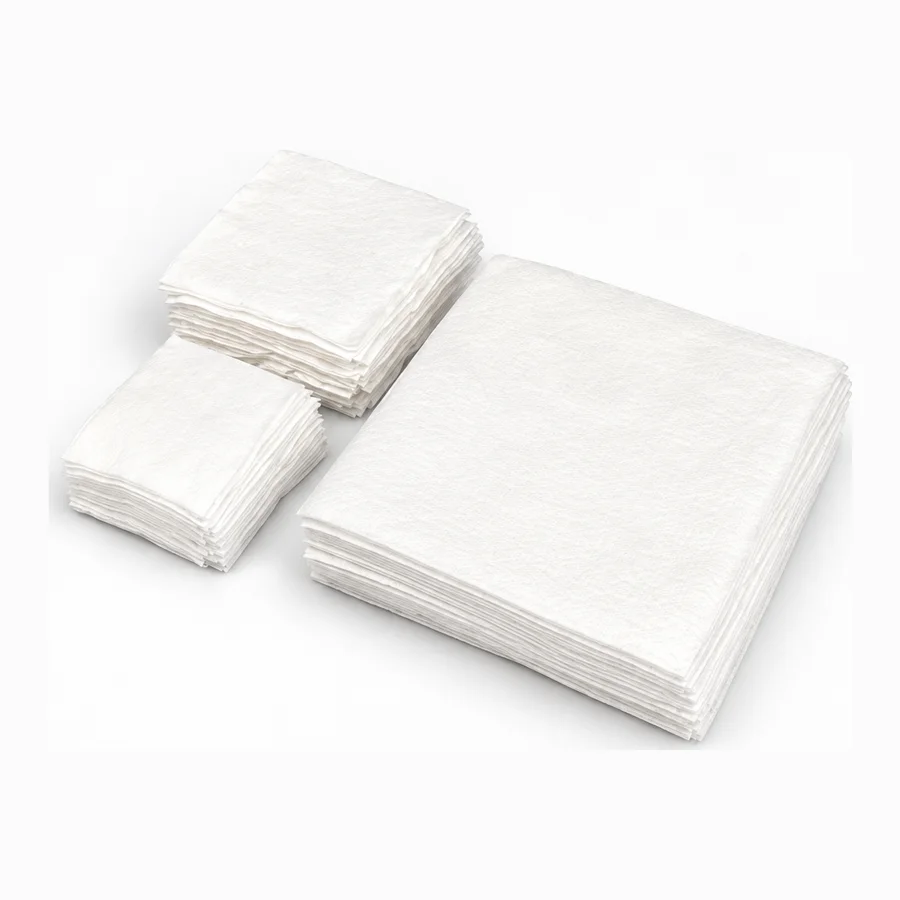
100% polyester 9 × 9 in wipe with laser-sealed edges and low particle generation.
VTN-WP-PES-LS-99
Blue 30-layer sticky mat, 24 × 36 in, for particle retention at entry points.
VTN-MAT-PE-STK-2436-BLU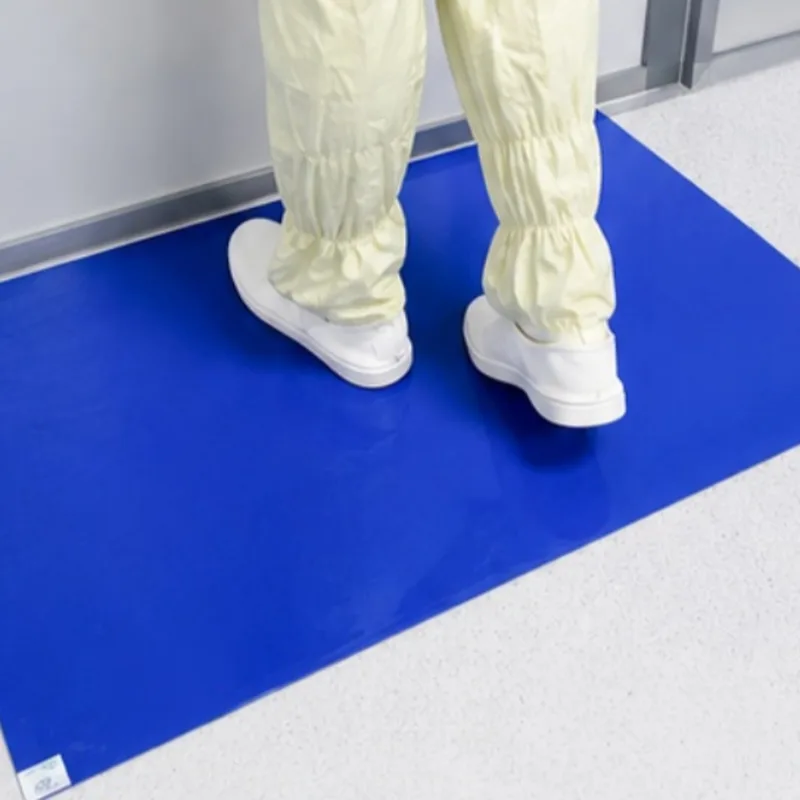
Blue 30-layer sticky mat, 26 × 45 in, for particle retention at entry points.
VTN-MAT-PE-STK-2645-BLU
Disposable 35 gsm SPP polypropylene shoe cover with antislip sole.
VTN-AP-PP-SC-UNI-BLU
55% cellulose / 45% polyester nonwoven wipe, 6 × 6 in, low particle generation.
VTN-WP-NW-66
55% cellulose / 45% polyester nonwoven wipe, 9 × 9 in, low particle generation.
VTN-WP-NW-99
100% continuous-filament polyester wipe in double knit, 6 × 6 in, for precision cleaning.
VTN-WP-PES-DK-66
PU foam swab, large round head, 132.2 mm
VTN-SW-PU-LC-132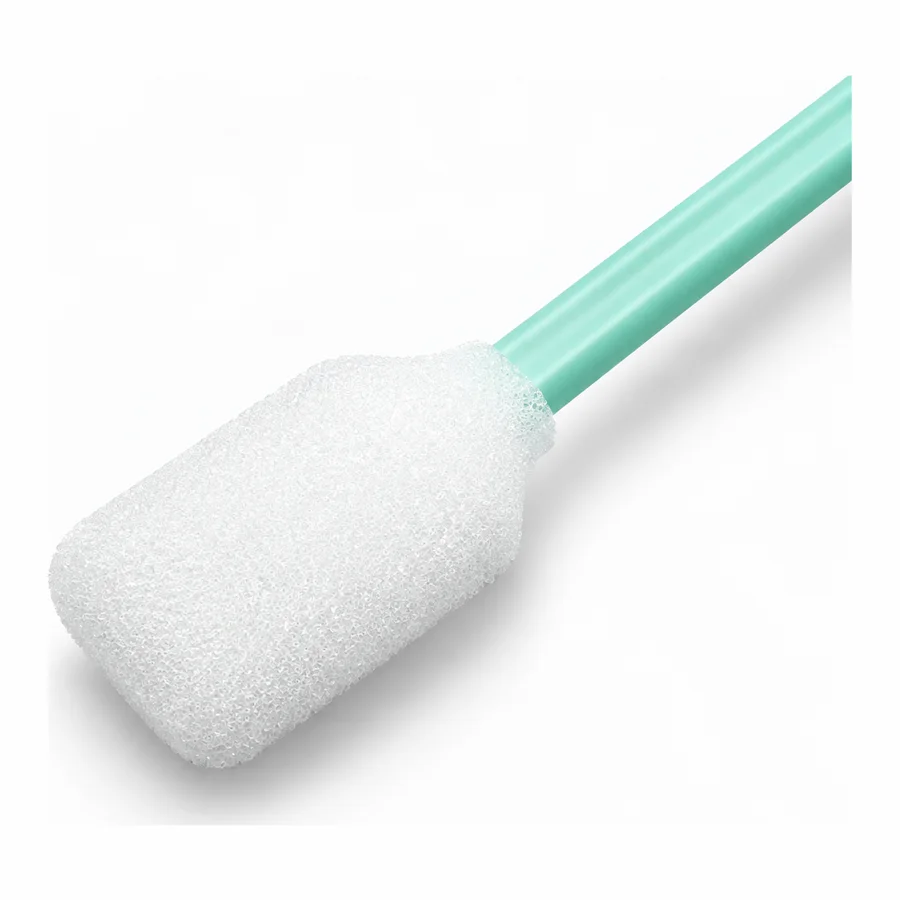
PU foam swab, large rectangular head, 127.5 mm
VTN-SW-PU-LR-128
PU foam swab, medium head and long handle, 163 mm
VTN-SW-PU-MD-163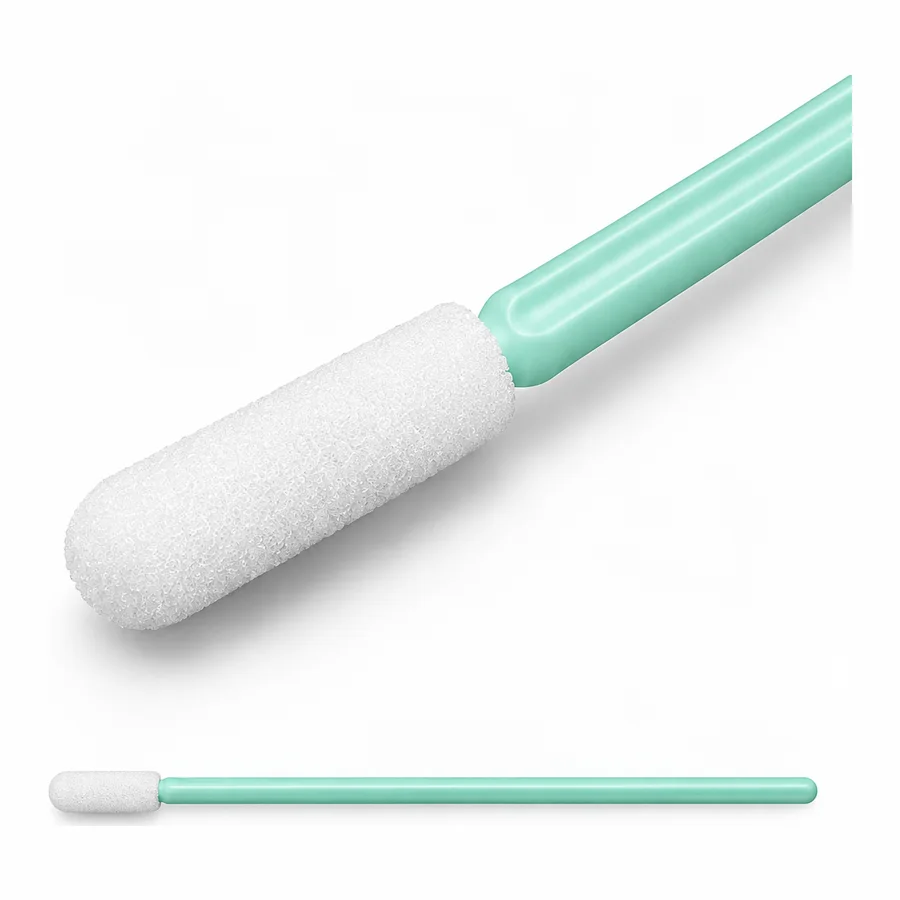
PU foam swab, small flexible tip, 67.3 mm
VTN-SW-PU-SF-067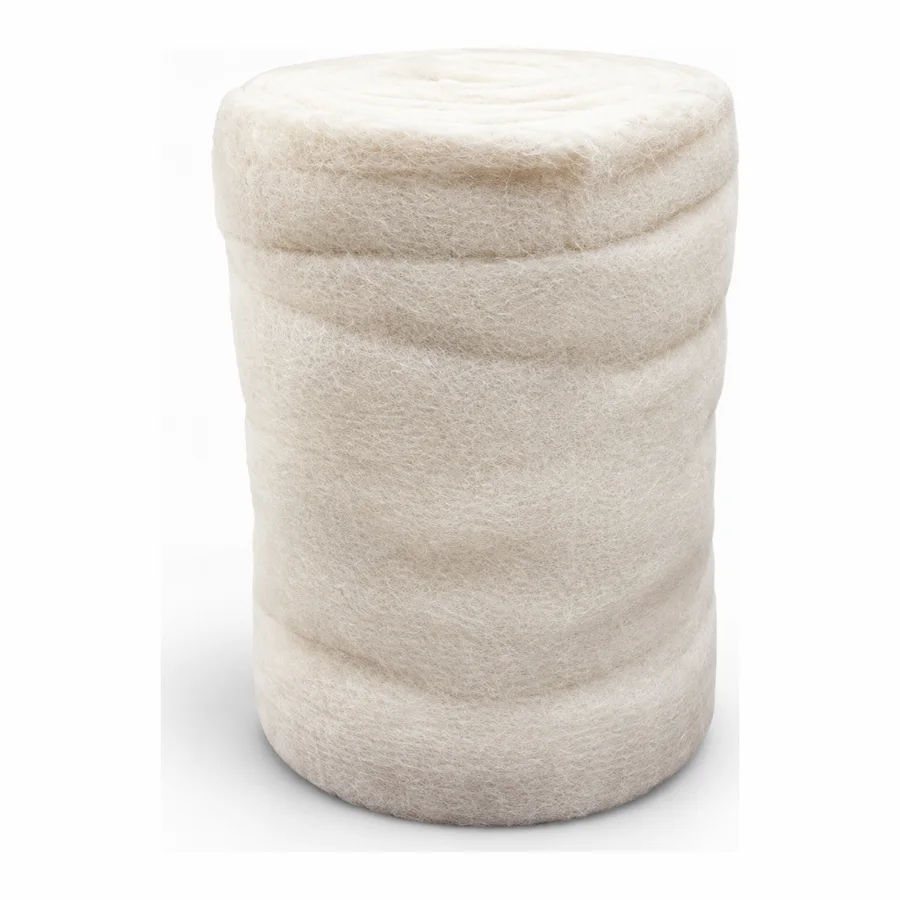
100% purified cotton roll, 3-ply, 10 × 16 in, 100 sheets. Equivalent to RYMPLECLOTH® 301 and HERMITEX® 300.
VTN-WP-CT-PUR-3P-1016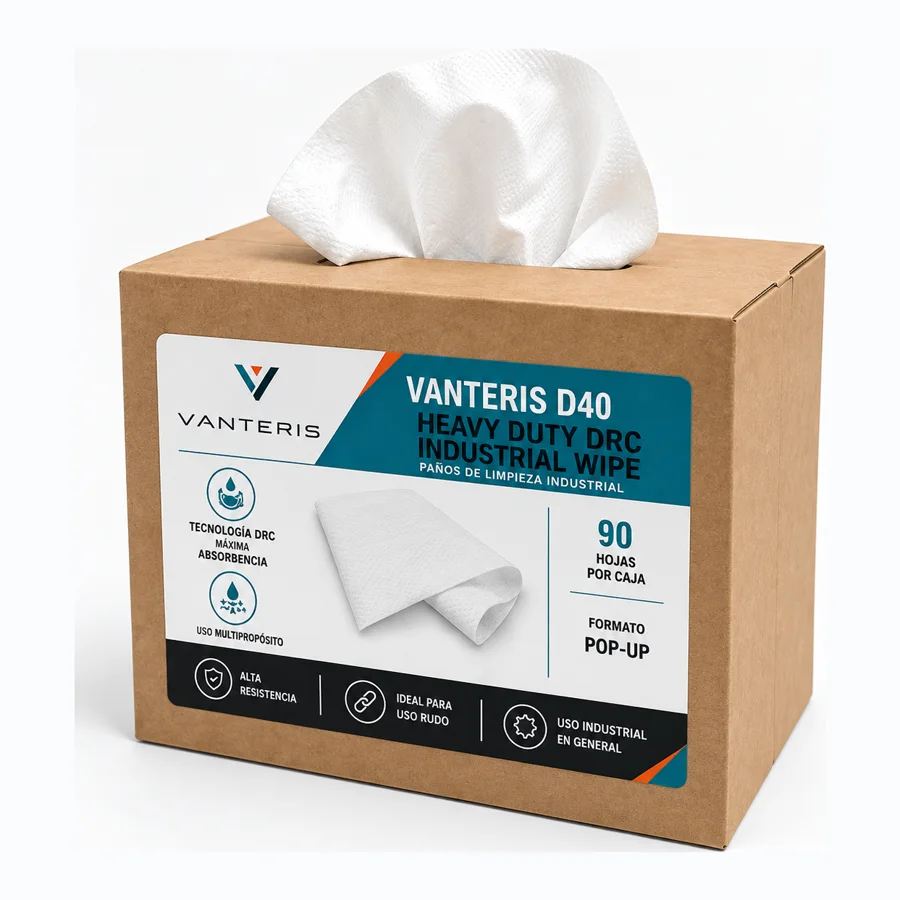
Heavy-weight DRC industrial wipe, 9 × 16.5 in, Pop-Up format, 90 sheets per box.
VTN-WP-DRC-PPU-W916