
ELECTRONICSControlled Environment Technologies
Industry
Electronics
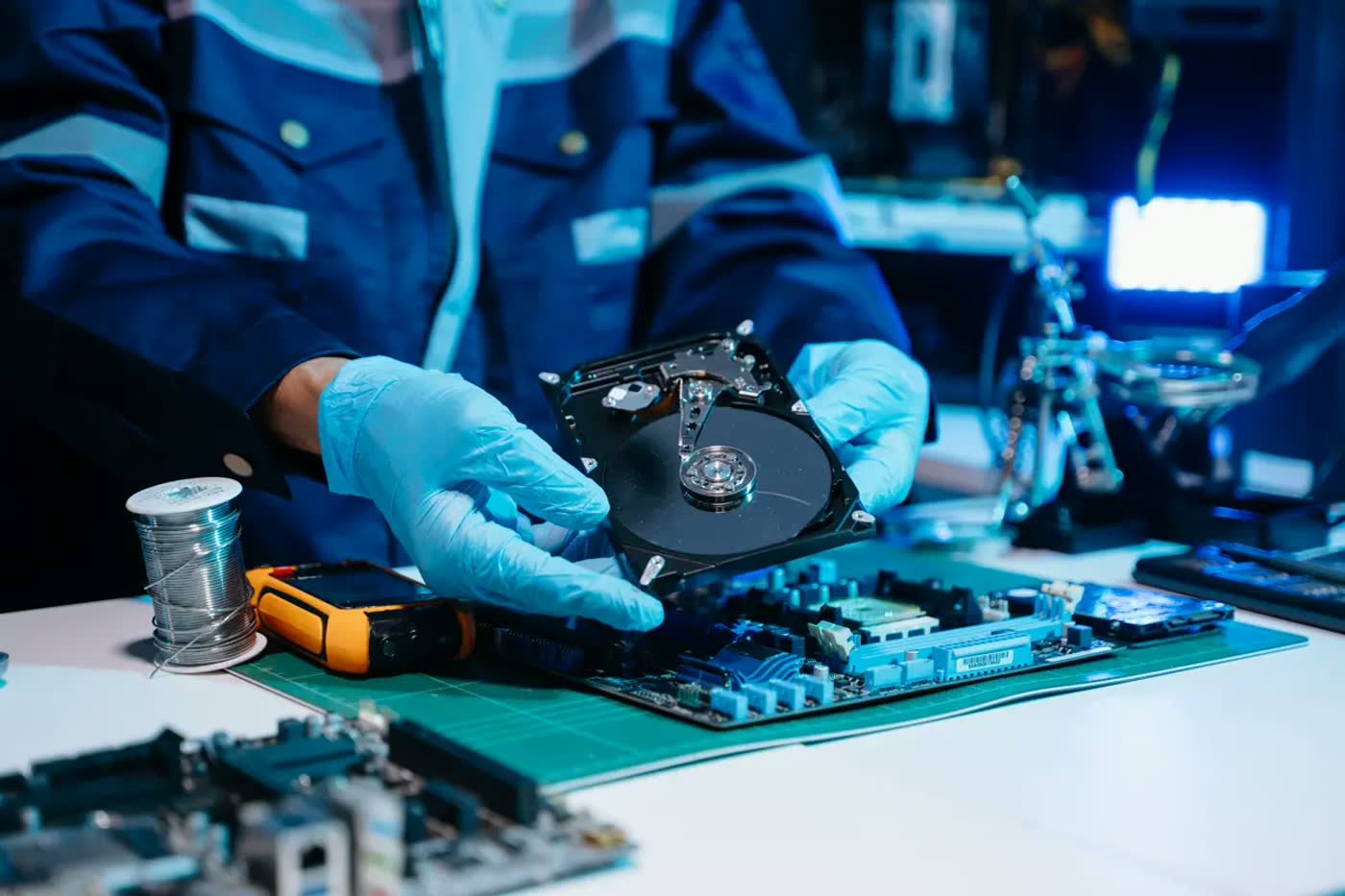
Assembly cleaning, ionic residue control and ESD protection in electronics manufacturing.
Datasheet per part number
Standards referenced
Recurring consumption
An electronic assembly fails because of things you cannot see: ionic residue left under a component, a fibre bridging two traces, a discharge that degrades a junction without destroying it. Cleaning and static control are not the end of the line; they are part of the process.
Products for this industry

VANTERIS 3-Ply Pleated Face Mask, BlueVNT-73P-BL-5017.5 × 9.5 cm
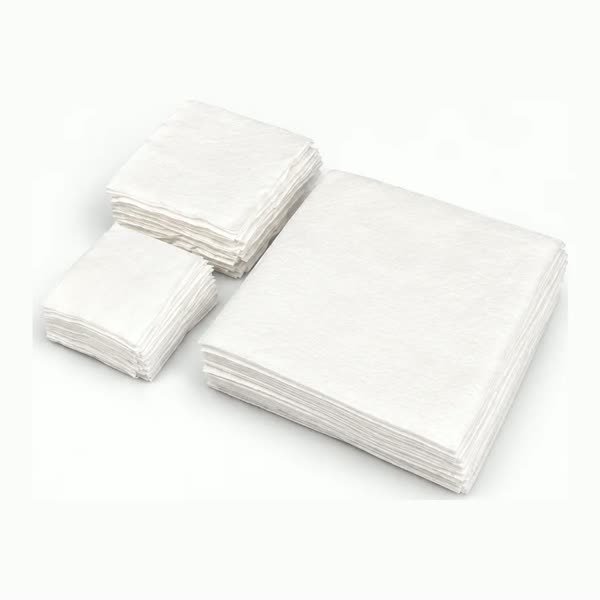
VANTERIS Polyester Wipe 9 × 9 inVTN-WP-PES-LS-999 × 9 in (228.6 × 228.6 mm)

VANTERIS Sticky Mat 24 × 36 in, BlueVTN-MAT-PE-STK-2436-BLU24 × 36 in

VANTERIS Antislip Shoe Cover, BlueVTN-AP-PP-SC-UNI-BLU
Typical challenges
- Ionic residue and electrochemical migration
- Loose fibre between conductors
- Latent electrostatic discharge damage
- Wiper compatibility with isopropyl alcohol
Reference standards
| IPC J-STD-001 | Requirements for soldered electrical and electronic assemblies. |
|---|---|
| IPC-A-610 | Acceptability criteria for electronic assemblies. |
| IPC-TM-650 | Test methods, including cleanliness and ionic residue. |
| ANSI/ESD S20.20 | Requirements for an electrostatic discharge control programme. |